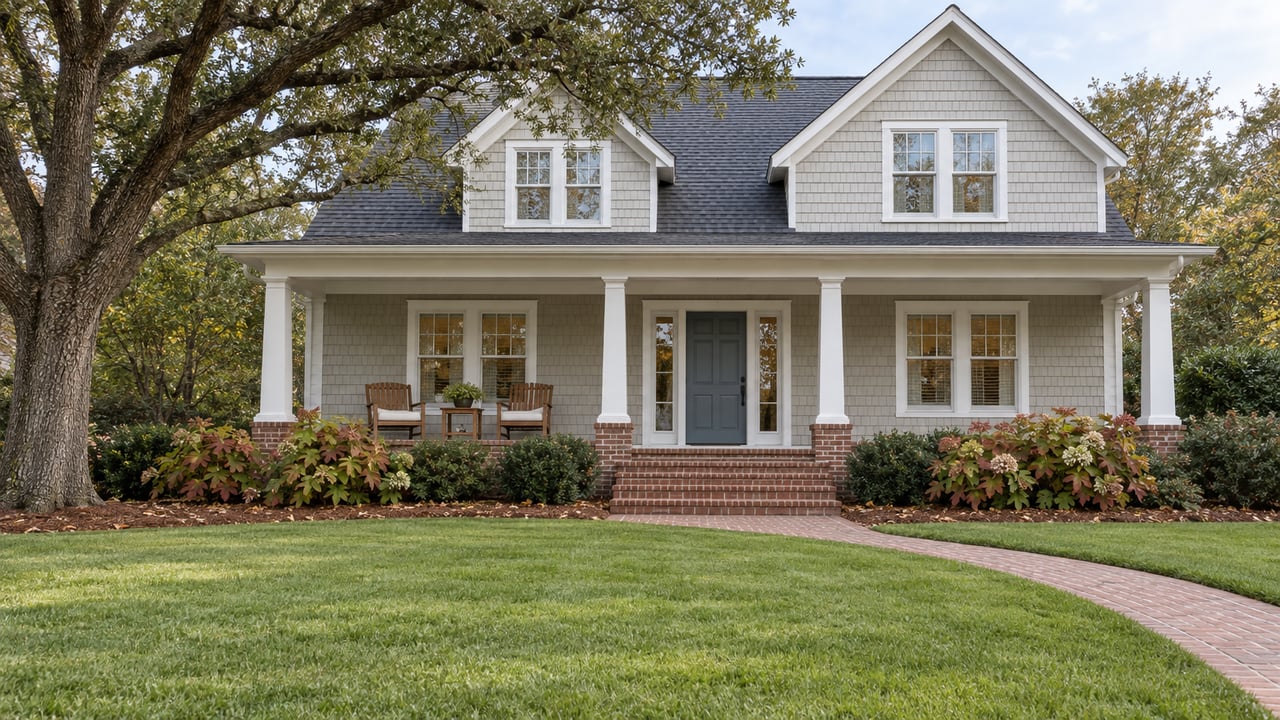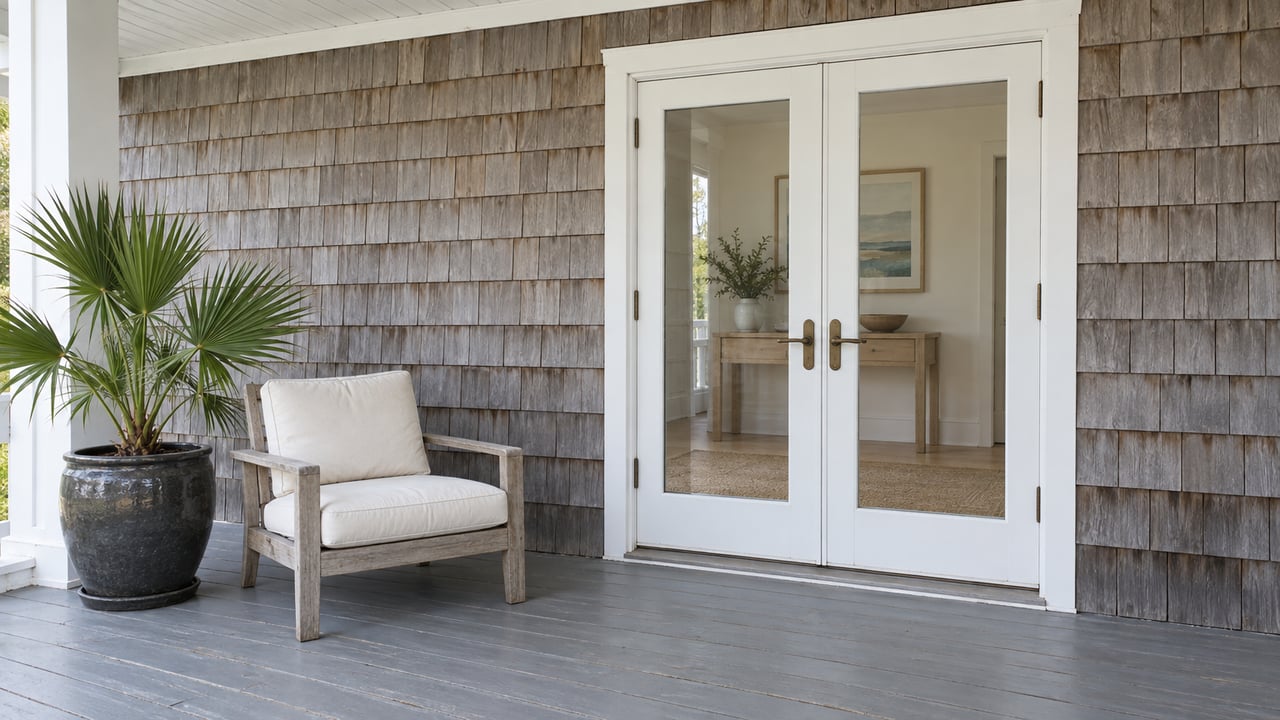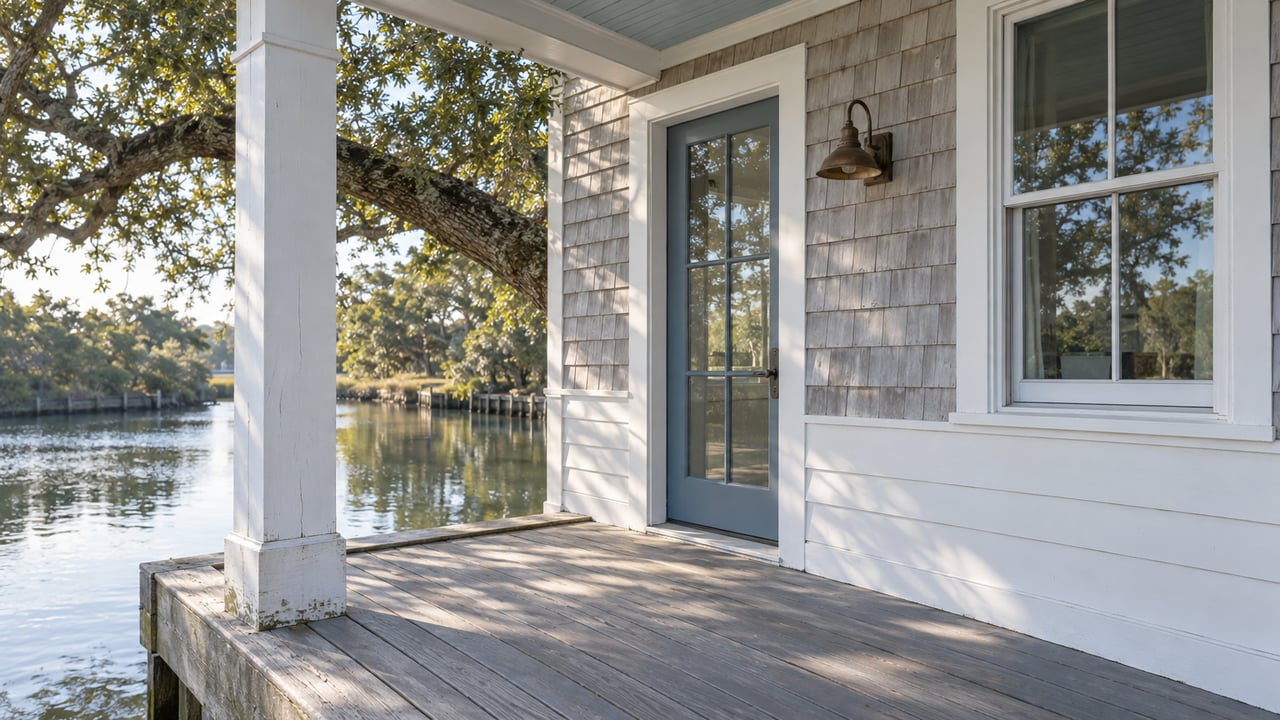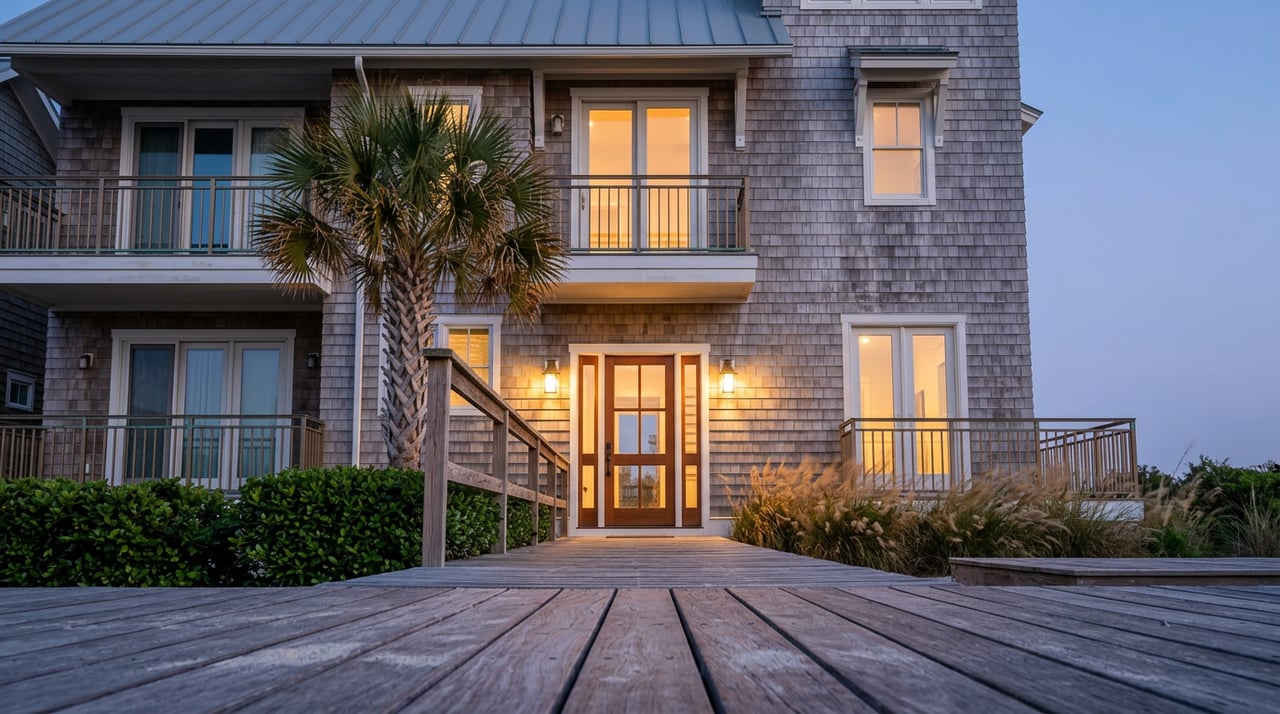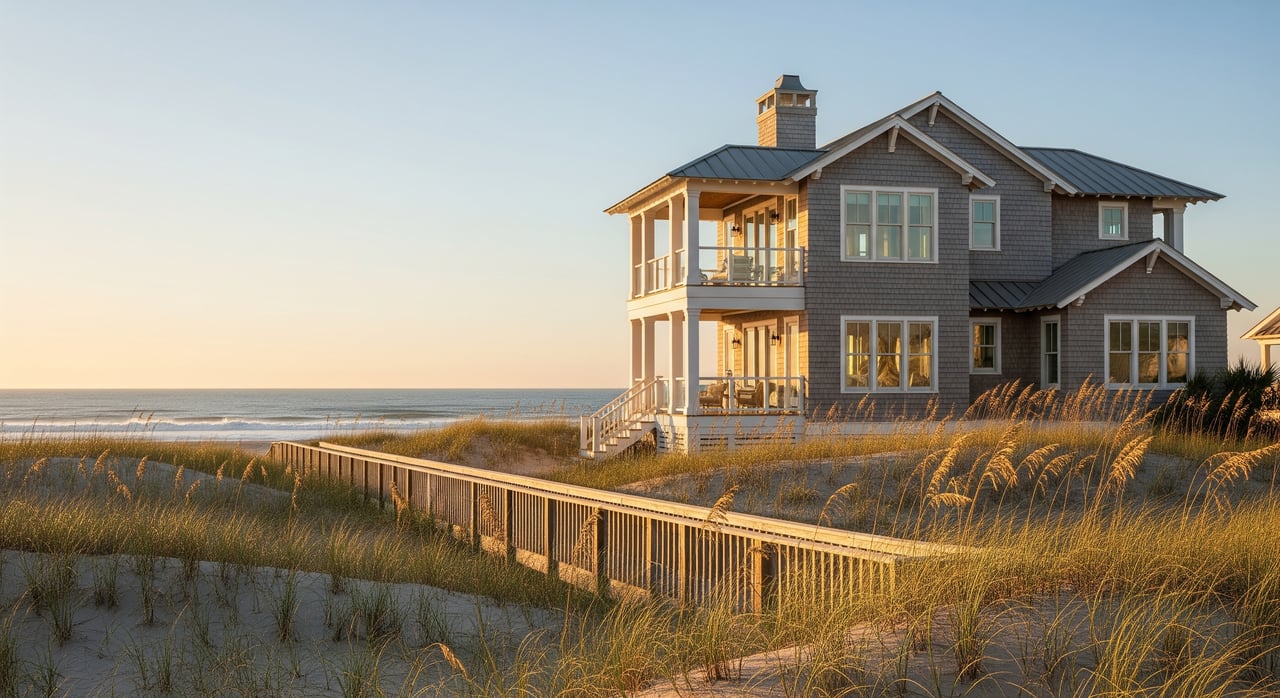
Deciding where to buy on Wrightsville Beach can feel like choosing between four great versions of the same dream. Each pocket of the island offers a different rhythm of daily life, from lively boardwalk energy to quiet canal-front evenings. In this quick guide, you will compare the North End, Central Beaches, Harbor Island, and the South End across walkability, boating access, home styles, and lifestyle fit. You will also get a straightforward checklist for flood, permits, and rental rules so you can move forward with confidence. Let’s dive in.
How the island is laid out
Wrightsville Beach is a narrow barrier island east of Wilmington. Location on the island influences nearly everything you experience day to day, including beach access, boat access, and seasonal activity. Orientation to the Intracoastal Waterway versus the ocean also shapes your view, wind exposure, and dock potential.
Because land is limited, inventory is chronically constrained. Many original cottages have been replaced by modern elevated homes, and properties that offer waterfront or walkable convenience often command a premium. If you are balancing lifestyle priorities and long-term value, understanding the four micro-areas is the best place to start.
North End overview
Walkability and vibe
The North End sits closest to the causeway and mainland access. It feels more residential than the central corridor, yet you are still minutes from shops and services. Many blocks are pedestrian friendly with sidewalks and quick routes to public beach access.
Boating and docks
Boating access is good, with short transit to the Intracoastal Waterway and boat ramps on the mainland side. Some properties have private docks on protected waters, which can simplify day-to-day boating.
Homes and design
You will see a mix of mid-century beach cottages alongside newer elevated rebuilds. Closer to the causeway there are duplexes and smaller condominium options.
Who it fits
Choose the North End if you want quick mainland access, a neighborhood feel, and convenient proximity to services without sitting in the busiest tourist corridor.
Central Beaches overview
Walkability and vibe
This is the island’s activity hub with restaurants, surf shops, and public beach access points concentrated along the main spine. Walkability is highest here, and seasonal energy peaks in summer.
Boating and docks
Boating access is mixed. Some homes and condos face the ICW while others face the ocean. Public docks and ramps are more commonly found on the mainland side, so many boat owners keep vessels off island.
Homes and design
Expect higher density with many condominiums and townhomes, classic beach cottages, and renovated single-family homes. The variety supports a range of use cases, including lock-and-leave convenience.
Who it fits
Pick the central corridor if you want to walk to dining and nightlife and enjoy an active beach scene. Short-term rental demand is generally stronger here, subject to town and HOA rules.
Harbor Island overview
Walkability and vibe
Harbor Island runs along protected canals and the ICW. Streets are quieter and more residential, with fewer services within walking distance. This area is more boat and car oriented.
Boating and docks
Boating access is excellent. Many properties feature private docks, deep-water slips, and more direct access to the ICW and offshore channels. It is a top choice for serious boaters.
Homes and design
You will find larger waterfront estates and modern raised homes with substantial dockage. New luxury builds are common, and outdoor spaces are often designed around the marina lifestyle.
Who it fits
Choose Harbor Island if boating, fishing, and waterfront privacy sit at the top of your list. It is less about walkable nightlife and more about time on the water and at home.
South End overview
Walkability and vibe
The South End is the quiet tip of the island with wide beaches, dunes, and nearby natural areas. There are fewer commercial businesses, which keeps streets calmer.
Boating and docks
Access is good for fishing and surfing, with easy proximity to Masonboro Inlet and preserved islands. Some areas have less protected dock space than Harbor Island, so verify specifics if dockage is a priority.
Homes and design
Expect a mix of renovated beach cottages and newer elevated single-family homes, often on slightly larger footprints. Many properties emphasize privacy and outdoor living space.
Who it fits
Pick the South End if you want a quieter, more natural beach experience with surf, birding, and open sand as your backdrop.
What to compare first
- Walkability
- Highest: Central Beaches
- Moderate: North End
- Lower: Harbor Island and South End
- Boating and dock access
- Best for private docks and deep water: Harbor Island
- Good for inlet and surf access: South End
- Moderate: North End, with boat ramps nearby; Central varies by orientation
- Seasonal activity
- Busiest: Central Beaches
- Moderate: North End
- Quietest: South End and many Harbor Island pockets
- Investment profile
- Central Beaches: Strong short-term rental demand near amenities
- Harbor Island: Strong long-term value for boating buyers
- North End and South End: Appeal to quieter rentals and year-round use, with returns tied to seasonality
Common property types
- Elevated single-family homes on pilings across all areas
- Condos and townhomes concentrated near the central corridor and causeway
- Waterfront estates with private docks primarily on Harbor Island and ICW-facing lots
- Ongoing replacement of older cottages with larger, modern homes
Construction and code basics
Most newer homes are elevated above base flood elevation, with living space on upper floors and parking or storage below. Much of the island sits in FEMA high-risk flood zones, so elevation, flood vents, and breakaway walls are common. For zoning, permits, and local ordinances, start with the town’s resources on municipal planning and inspections.
Buyer checklist
- Flood zones and elevation
- Get the FEMA flood zone and an elevation certificate. Review maps at the FEMA Flood Map Service Center and obtain insurance quotes early.
- Docks, piers, and permits
- Confirm that any dock or slip is properly permitted and transferable. Review coastal permitting with the NC Division of Coastal Management.
- Zoning, HOAs, and rentals
- Verify the town’s zoning, HOA rules, and any short-term rental limits through Wrightsville Beach municipal resources.
- Utilities and stormwater
- Confirm sewer connection and understand any stormwater responsibilities. Check service details with the town prior to due diligence deadlines.
- Insurance and preparedness
- Obtain quotes for homeowners and wind coverage. Consider evacuation logistics and access to the causeway during peak events.
- Schools and services
- If schools are part of your decision, confirm attendance zones directly with New Hanover County Schools.
- Environmental factors
- Consider sea-level rise, shoreline change, and inlet dynamics. Explore tools like NOAA’s Sea Level Rise Viewer and resources from the NC Coastal Federation.
- Records and verification
- Review parcel data and taxes directly with New Hanover County, and engage a surveyor or title company for easements, bulkheads, and tidal boundaries when needed.
How to match area to lifestyle
- You want walkable dining and a lively scene
- Focus on Central Beaches near restaurants and pier areas.
- You want boating and private dockage
- Target Harbor Island and ICW-facing lots on the north and central edges.
- You want quiet and natural spaces
- Explore the South End and selected residential streets on Harbor Island.
- You want quick mainland access with a neighborhood feel
- Look at the North End near the causeway and residential blocks with sidewalks.
Next steps with a local advisor
Every property on Wrightsville Beach is unique, and the right fit depends on how you plan to live, boat, and host. Before you write an offer, verify flood elevation, permitted dock details, and any rental or HOA restrictions that affect your goals. A trusted local advisor can help you weigh lifestyle benefits against long-term resilience and resale.
If you want a discreet, data-backed search with access to off-market signals and waterfront expertise, schedule a private conversation with Sam Crittenden.
FAQs
What is the main difference between Wrightsville Beach’s four areas?
- The North End and South End are quieter and residential, Central Beaches is the most walkable and active, and Harbor Island is tailored to boating with many private docks.
Which Wrightsville Beach area is best for private docks and deep water?
- Harbor Island generally offers the most private docks, deeper water, and direct ICW access, with some ICW-facing lots elsewhere as alternatives.
How do flood zones affect buying on Wrightsville Beach?
- Many homes are in FEMA high-risk zones, so you should obtain the flood zone and an elevation certificate, then get insurance quotes based on the specific property.
Are short-term rentals allowed across Wrightsville Beach?
- Rules vary by zoning and HOA, so you should confirm the town’s rental requirements and any HOA limitations before you buy.
What home styles are most common on the island?
- Elevated single-family homes on pilings are common, along with condos and townhomes near the central corridor and larger waterfront estates on Harbor Island.
How competitive is the market and when should I start looking?
- Inventory is limited island-wide, so you should start early, be prepared to act in peak seasons, and focus your search on micro-areas that match your lifestyle.