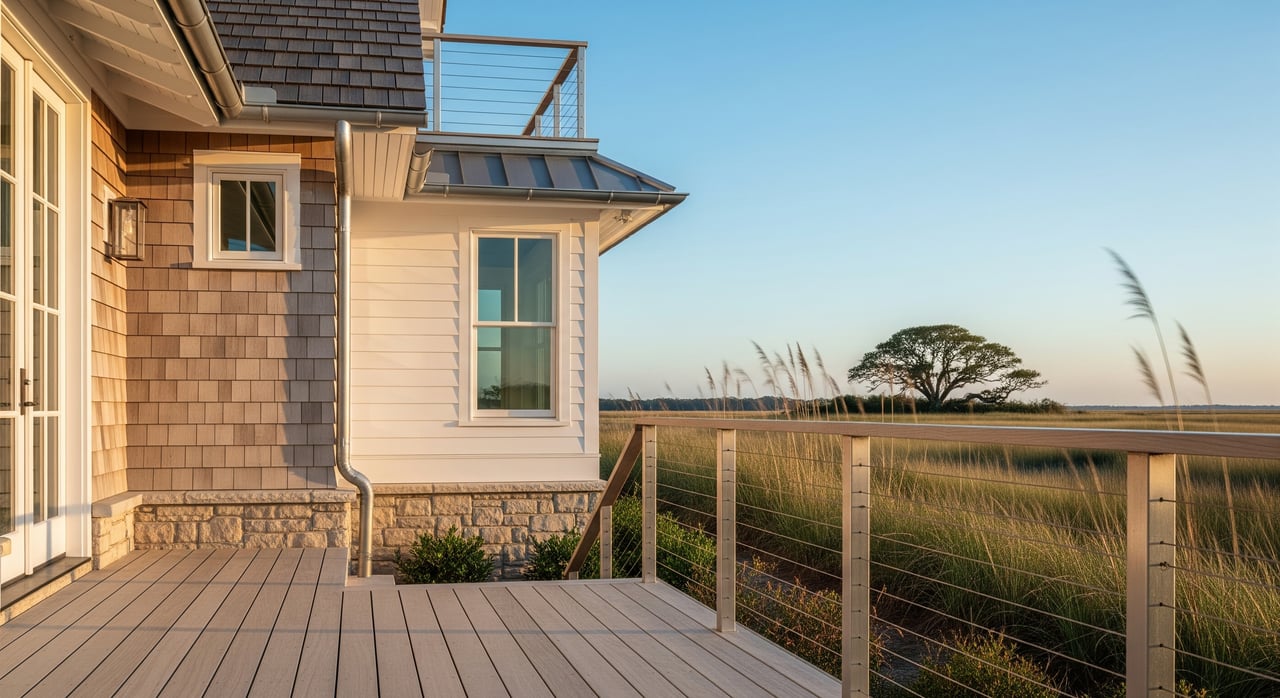
Salt air, strong sun, and coastal storms make Wilmington beautiful and unforgiving at the same time. If you own or plan to buy along our coast, you want finishes that hold up and protect your investment. In this guide, you’ll learn which materials perform best in New Hanover County’s salt, wind, humidity, and flood conditions, plus what to avoid and how to spot red flags on a walk‑through. Let’s dive in.
Why coastal exposure matters
Wilmington’s humid subtropical climate brings high humidity, frequent wet/dry cycles, and salt aerosol carried by onshore winds. Chlorides in salt air speed up corrosion on metals and can shorten the life of paint, sealants, and fasteners. Windborne debris during coastal storms raises the bar for roof attachments, impact glazing, and overall detailing.
Many properties also sit in FEMA flood hazard zones. That means materials in lower levels should be flood-damage-resistant, and assemblies need to dry quickly after wetting. Local permitting and code enforcement in New Hanover County align with state wind design and floodplain rules, so product ratings and proper installation matter.
Best exterior materials
Siding and cladding
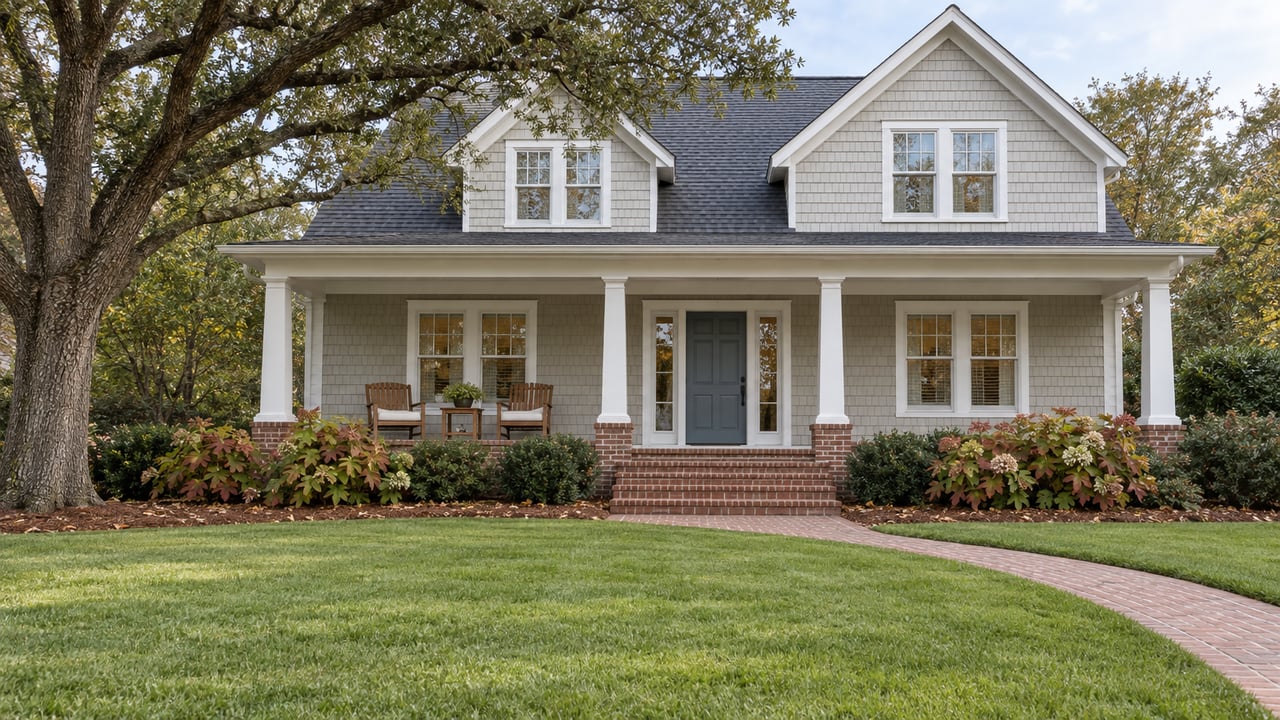
Fiber-cement siding is a strong coastal choice. It resists rot and insects, holds paint well, and stays stable through humidity swings. It is heavier than wood and needs cuts and edges sealed, but it offers a long service life with routine painting. Use stainless steel or hot‑dip galvanized fasteners per the manufacturer.
Engineered wood and coastal hardwoods can work if you commit to finish maintenance and smart detailing. Heartwood species or properly treated lumber resist decay better than standard pine, but you still need careful flashing and drainage to avoid trapped moisture. Keep an eye on finish schedules and plan for regular re-staining or sealing.
Vinyl siding is low maintenance and won’t rot, but it is less impact-resistant and can warp with heat or UV reflection. In hurricane-prone areas, installation quality and wind-rated attachment are critical. Use corrosion-resistant fasteners and confirm proper substrate and WRB details.
Traditional stucco over a continuous drainage plane performs well when installed correctly. Crack control and regular inspections are important. EIFS systems should include drainage and be installed by qualified contractors to avoid moisture being trapped behind the façade.
Roofing
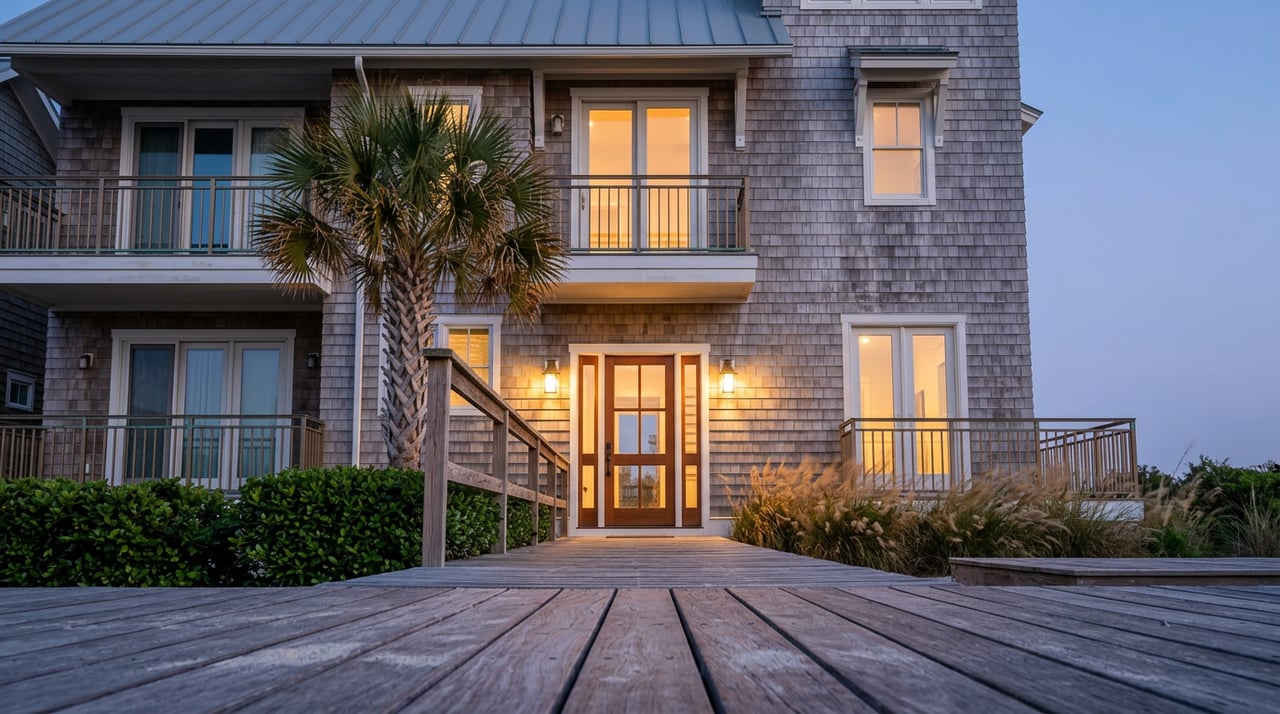
Metal roofing is a standout performer on the coast. Aluminum and high-quality coated steels installed as standing seam shed water efficiently and can handle high winds when fastened to spec. Look for PVDF topcoats for color retention and durability, and choose concealed fastener systems to reduce exposure points.
Fasteners and trim make or break a metal roof in salt air. Stainless steel fasteners, with Type 316 preferred near the surf, resist chloride pitting far better than standard hardware. If you opt for Galvalume or coated steel, pair it with manufacturer-recommended accessories and avoid dissimilar metal contact.
High-quality architectural asphalt shingles remain common and can meet wind ratings. The shingles themselves tolerate salt better than steel parts, but flashing and fasteners are vulnerable. Use corrosion-resistant flashings, underlayments that manage moisture, and proper roof deck ventilation.
Windows and doors
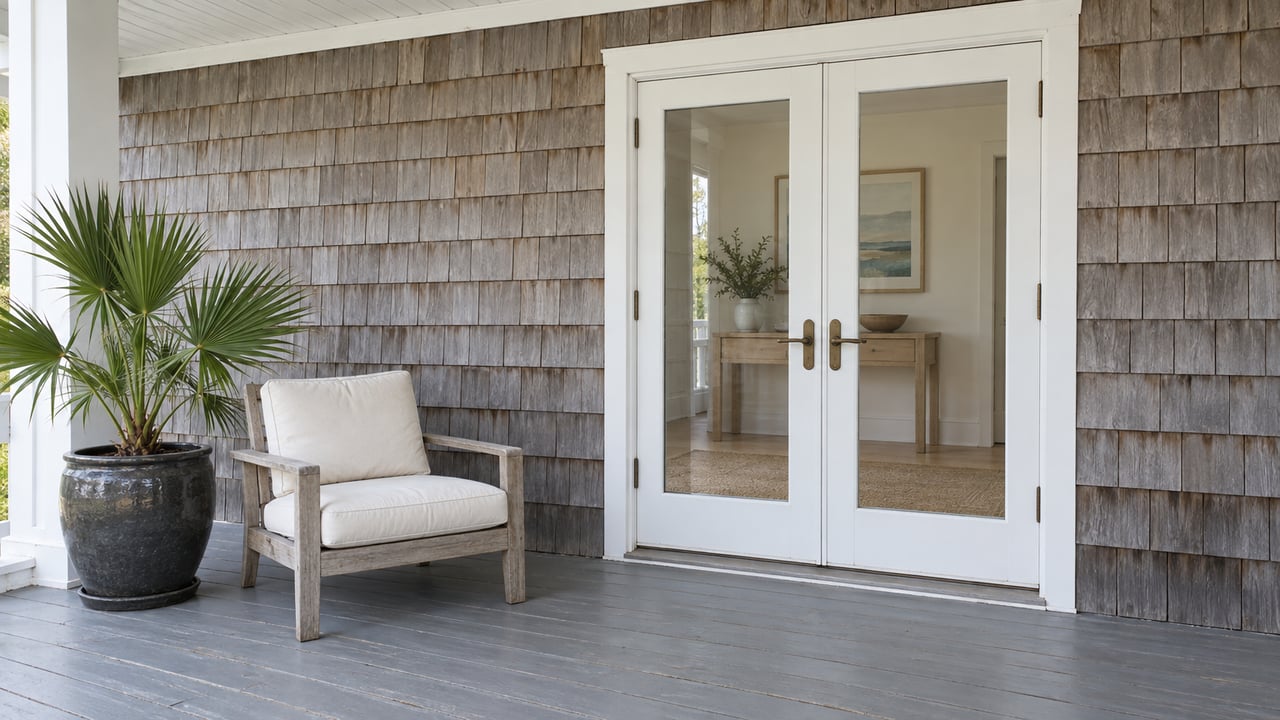
Impact-rated or laminated glazing is strongly recommended. It helps protect against windborne debris and can reduce air and water intrusion if outer panes break. Confirm products meet local design pressures and recognized impact standards.
Vinyl and fiberglass frames resist corrosion and are good coastal choices. Aluminum frames need proper thermal breaks and marine-grade finishes. Wood-clad units can work with diligent maintenance. Whatever you choose, specify stainless or marine-grade hardware and check that weep holes and seals are clear and intact.
Decking and railings
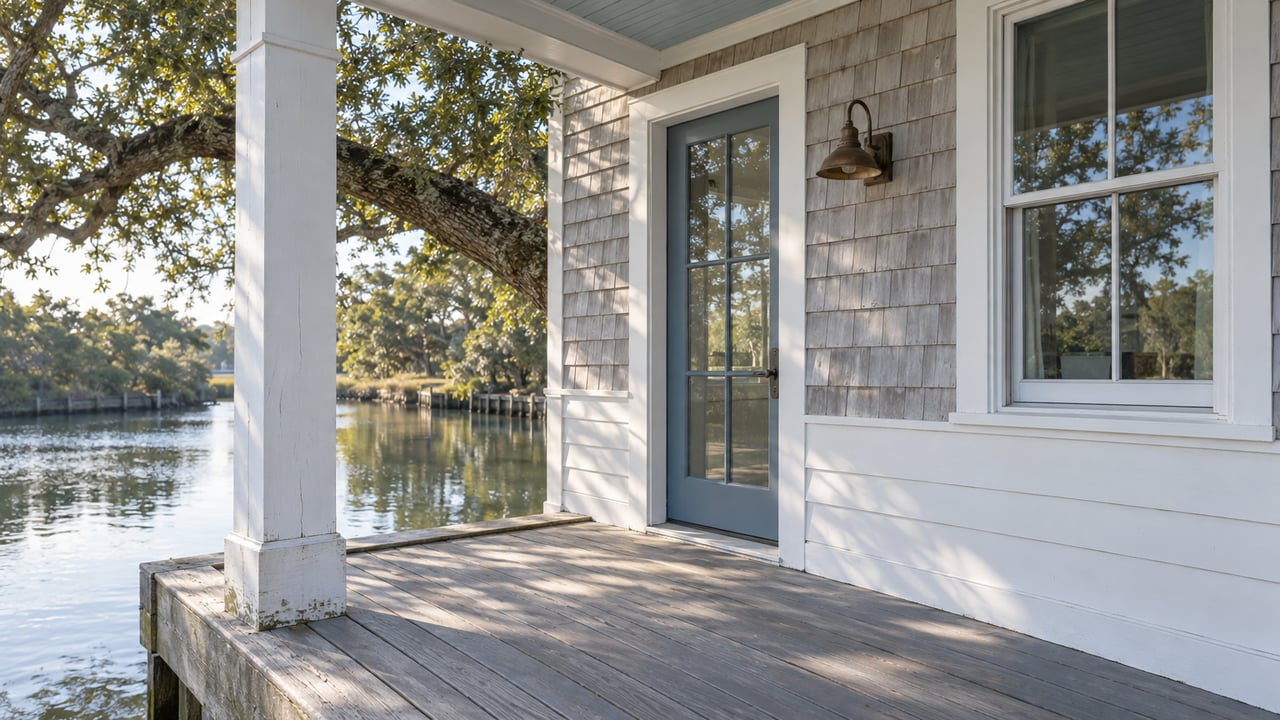
Capped composite and PVC decking offer low maintenance and resist rot and moisture. They may warm up under full sun and can fade at the surface, but periodic cleaning keeps them looking sharp. Use stainless steel fasteners or approved hidden systems, and follow manufacturer guidance on sealing cut ends.
Pressure-treated lumber (ACQ or CA) is effective against decay but more corrosive to fasteners than older formulations. That makes fastener selection critical: stainless or hot‑dip galvanized hardware is the norm, with stainless preferred near the water. Tropical hardwoods are durable and beautiful, but they are heavy, costly, and still need careful detailing.
The hidden heroes: fasteners and connectors
Stainless steel fasteners are your front-line defense against salt. Type 316 stainless contains molybdenum, which resists chloride pitting better than Type 304 and is recommended for near-shore exposure. Use it for visible exterior screws, deck hardware, and any critical connections subject to spray.
Hot‑dip galvanized hardware outlasts electrogalvanized coatings in coastal air because the zinc layer is thicker. It still corrodes over time in severe salt, so good detailing that avoids standing water extends life. Silicon-bronze and copper fasteners perform well in severe exposure but are typically reserved for specialty applications due to cost.
For structural connectors, choose stainless or hot‑dip galvanized parts sized for coastal exposure. Avoid mixing dissimilar metals that accelerate galvanic corrosion, like copper in direct contact with aluminum. Match fasteners and flashings to the cladding and roof systems per manufacturer technical bulletins.
Foundations and flood-wise builds
Saltwater and chlorides can infiltrate concrete and corrode rebar. In critical elements, epoxy-coated or stainless rebar improves durability. A concrete mix with lower permeability, proper cover over reinforcing, and sound curing practices reduces chloride ingress.
If any area of the home sits below the base flood elevation, choose flood-damage-resistant materials. Concrete, masonry, water-resistant sheathing, and closed-cell insulation tolerate wetting and drying better than fibrous insulation. Design to allow water to drain and assemblies to dry quickly after an event.
Gutters, flashing, and HVAC
Gutters and downspouts in aluminum or stainless resist corrosion longer than painted steel in salt air. Keep systems clean and aligned so water leaves the building quickly. Flashings should be continuous and detailed with a drainage plane. Use stainless or manufacturer-approved fasteners and sealants, and separate incompatible metals.
Outdoor HVAC condensers live a hard life at the coast. Protective coatings and partial shelter help, and you should expect more frequent maintenance and earlier replacement than inland systems. Protect exposed copper lines and specify stainless or protected components where possible. Service records add value for buyers.
Buyer and seller checklist
- Exterior cladding: Prefer fiber-cement or properly detailed stucco; watch for rust stains, paint failure, and soft spots at lower edges.
- Fasteners and connectors: Favor Type 316 stainless near the water. If galvanized, confirm hot‑dip specification and good coating condition.
- Roof: Standing-seam metal or wind-rated architectural shingles with corrosion-resistant flashings; check ridge caps, flashings, and any exposed fasteners.
- Windows and doors: Seek impact-rated or laminated glazing. Verify labels, seals, and hardware condition.
- Decks and rails: Capped composite or durable hardwoods with stainless fasteners; inspect ledger flashing, post bases, and any corroded connectors.
- Gutters and flashings: Aluminum or stainless gutters with continuous drainage; look for rust, staining, and poor slope.
- Foundations and low areas: Use flood-resistant materials below BFE; check for prior flood repairs and signs of efflorescence or spalling.
- Mechanical equipment: Assess the condenser’s age and corrosion; review service history and protective measures.
- Documentation: Request product warranties, impact/wind upgrade receipts, and recent inspection or maintenance records.
Maintenance and life-cycle value
Plan for shorter exterior finish cycles than inland. Painted surfaces may need touch-ups or repainting sooner in direct salt and sun. Annual wash-downs and quick spot repairs prevent bigger problems. Keep caulks and sealants in good shape at joints and penetrations.
Metal roofs with quality coatings often deliver 30 years or more of service when installed correctly. Capped composite decking commonly carries 20 to 30-year limited warranties, though you still need regular cleaning to remove salt and debris. Inspect exterior fasteners annually and upgrade to stainless if you see early corrosion.
Investing in coastal-grade materials usually pays off over time. Type 316 stainless, aluminum or high-grade metal roofing, and marine-grade hardware cost more upfront but reduce replacement cycles. That improves ownership costs and strengthens resale narratives for buyers who value durability.
Impact glazing and wind-resistant roofs may also help with insurance. Buyers respond to documented upgrades like fiber-cement siding, metal roofing, and stainless fasteners, especially when supported by transferable warranties and clear maintenance records.
Local codes and resources
North Carolina’s building code sets wind design criteria for coastal counties, and New Hanover County enforces permitting and inspections. Flood Insurance Rate Maps define where elevation and flood-damage-resistant materials are required. Local and university extension resources provide practical homeowner guidance on corrosion, material selection, and mitigation.
Ask your insurer about incentives for impact glazing, wind-rated roofs, or certified resilience upgrades. Programs modeled on recognized coastal standards can sometimes reduce premiums and improve peace of mind.
When to bring in trusted pros
Material performance at the coast depends on your exact site, detailing, and installation. If you are evaluating a property, pair a coastal-savvy inspector with contractors who understand salt, wind, and flood exposure. If you are preparing to sell, a pre-list check focused on fasteners, flashing, roof edges, and hardware often delivers an outsized return.
If you would like curated referrals and a thoughtful plan for value-adding improvements, connect with Sam Crittenden for a private consultation. You will get locally informed guidance and a clear strategy for protecting value while you enjoy the coastal lifestyle.
FAQs
What siding lasts longest near salt water in Wilmington?
- Fiber-cement siding typically offers the best mix of rot resistance, paint performance, and durability when installed with stainless or hot‑dip galvanized fasteners.
Do you need impact-rated windows in New Hanover County?
- Impact-rated or laminated glazing is strongly recommended for windborne debris risk and can support insurance and resilience goals when matched to local design pressures.
Which fasteners should you use for decks by the beach?
- Type 316 stainless is preferred for deck screws and hardware near the shoreline; hot‑dip galvanized is acceptable in some locations with proper detailing.
Is a metal roof worth the cost on the coast?
- Yes, aluminum or high-quality coated steel standing-seam roofs offer long service life, strong wind performance, and fewer exposed fasteners when installed to spec.
How often should you repaint a coastal home exterior?
- Expect shorter cycles than inland and plan for regular touch-ups; timing depends on exposure and products, but annual inspections keep you ahead of issues.