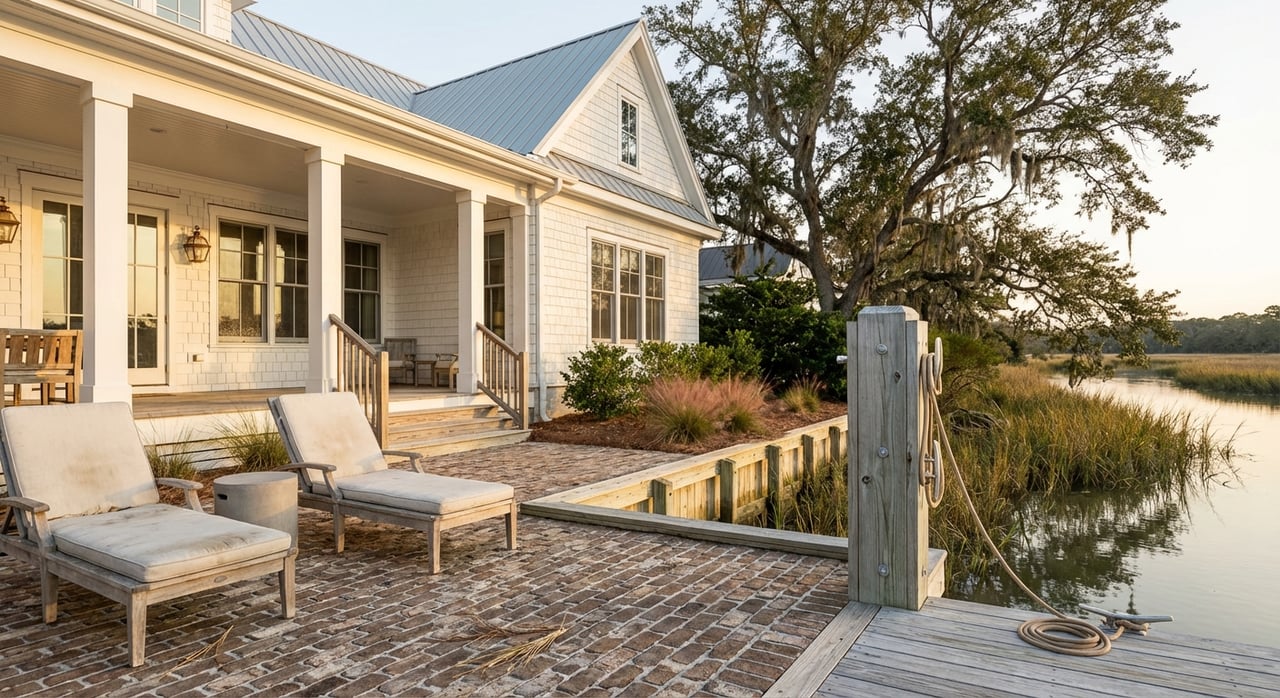
If your perfect Wilmington day starts with coffee on the porch and ends with a sunset boat ride, Turtle Hall should be on your short list. You want a quiet waterfront setting with real access to the Intracoastal, but you also want clear answers on docks, flood maps, insurance, and marina details before you buy. This guide gives you the essentials, from how water access actually works to what permits you may need and a practical due-diligence checklist. Let’s dive in.
Turtle Hall at a glance
Turtle Hall sits on the east side of Wilmington off Greenville Loop Road, tucked between Bradley Creek and Shinn Creek with frontage on the Atlantic Intracoastal Waterway. It is minutes from Wrightsville Beach by car or boat, though drive times vary with traffic. The neighborhood includes a small private marina, Turtle Hall Harbour, and a limited number of marsh or ICW-front homes that enjoy direct water access.
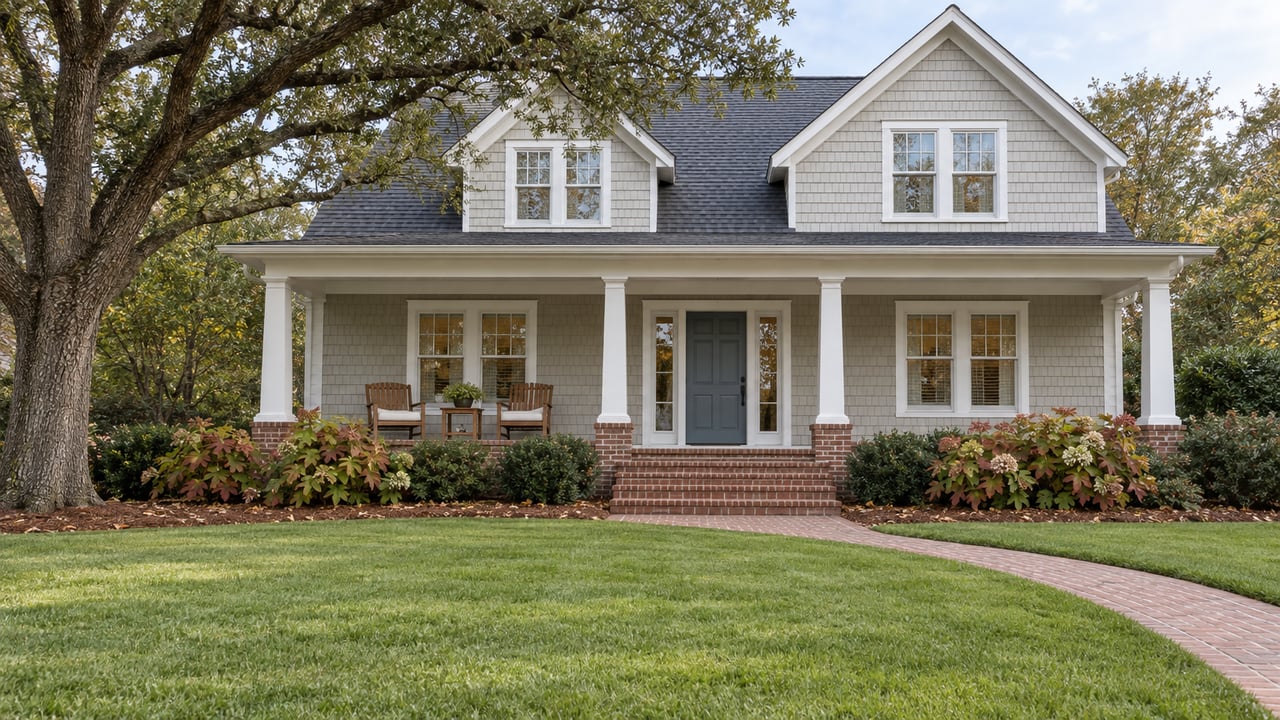
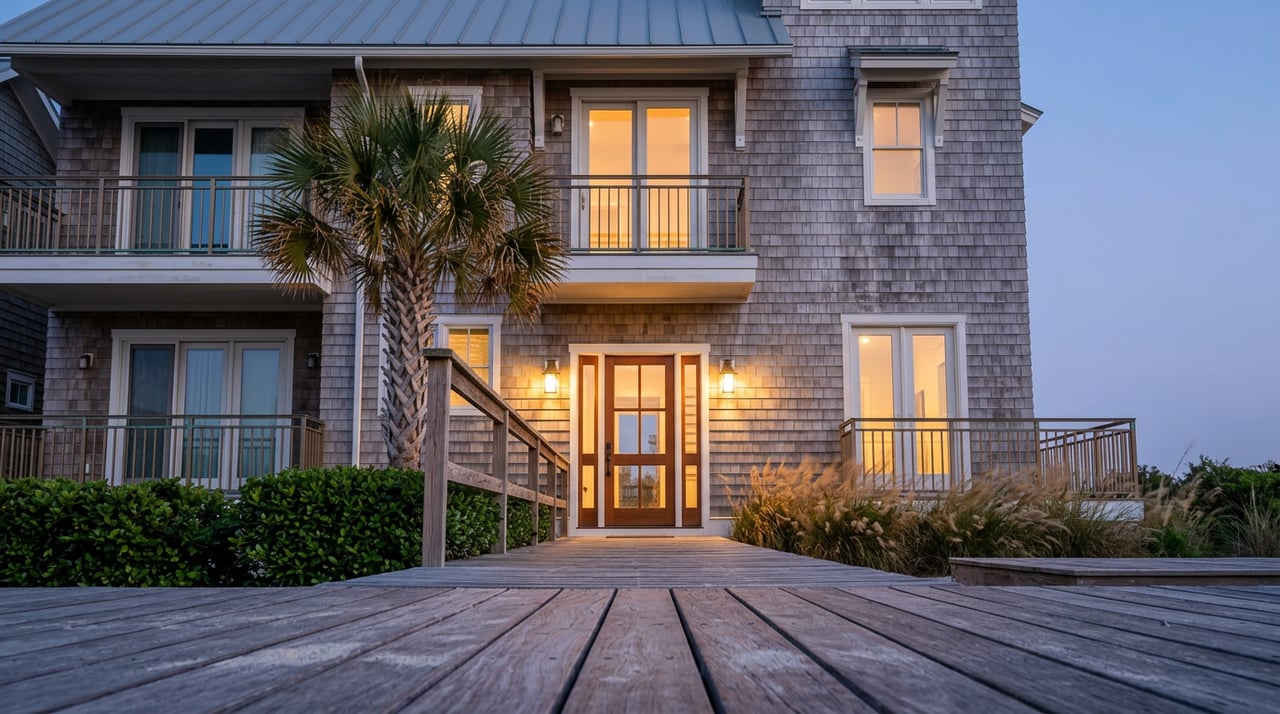
Homes here are primarily larger single-family properties, often 3,000 to 4,500-plus square feet. Waterfront parcels commonly range from roughly 0.4 to 0.9 acres. Architectural styles mix coastal and traditional forms, with many homes built or updated from the 1980s onward. Waterfront pricing has historically ranged from the high six figures to multi-million dollars depending on frontage, lot size, and improvements.
One important detail is governance. Some properties are tied to a small marina-focused association, while other streets show no HOA at all. Always check the deed and any HOA documents for the specific lot. You can learn more about the marina organization on the Turtle Hall Harbour HOA website and request current rules or fee information there.
What “waterfront” means here
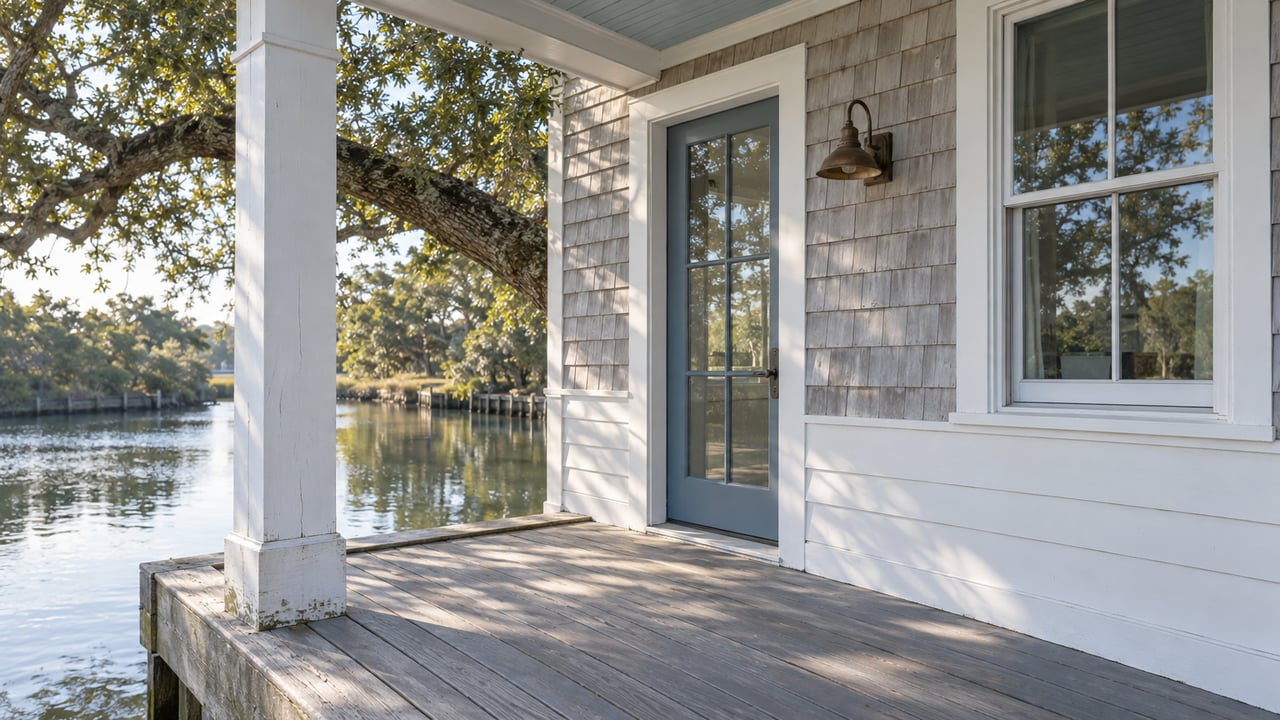
In Turtle Hall, waterfront can mean a few different things. Some homes sit along the marsh or ICW and may have private dock possibilities subject to permits. Others rely on the neighborhood’s small marina for slips. In certain sales, a slip is assigned or deeded to the home, while in others, access may be through community assignment or waiting lists. Confirm whether a slip is assigned and whether that right transfers on resale. The Turtle Hall Harbour HOA is the best starting point for marina rules and contacts.
For boaters, the draw is fast access to the Intracoastal and short runs to Masonboro Inlet and Wrightsville Beach. Channel depth, slip sizes, and past dredging can vary by location. The federal navigation channel is maintained by the U.S. Army Corps of Engineers Wilmington District, but federal dredging does not guarantee private access or basin dredging for individual docks. Review any available marina records and USACE notices, such as this Wilmington District AIWW maintenance dredging update, to understand how channel maintenance works at a high level.
Boat wakes and no-wake zones
Questions about boat wakes are common in ICW neighborhoods. In North Carolina, the Wildlife Resources Commission oversees no-wake zones, and on federally maintained waters like the Intracoastal, federal concurrence is typically required. Private signs that attempt to create a no-wake zone in the ICW are not enforceable. Review the state’s no-wake zone guidance if wakes or dock exposure is a key concern.
Flood maps, insurance, and sea-level context
Before you write an offer, pull the property’s FEMA flood map panel and base flood details. Use FEMA’s Flood Map Service Center to download a FIRMette for the address, and request any existing Elevation Certificate from the seller. New Hanover County also maintains local resources and floodplain administration contacts. The county’s Floodplain Management page is a helpful guide to local processes and recent map changes.
If the home is in a Special Flood Hazard Area, most federally backed mortgages will require flood insurance. Pricing varies with zone, structure elevation, and replacement cost, and rates continue to adjust under Risk Rating 2.0. Get address-specific quotes early. FEMA’s overview of SFHAs and NFIP participation outlines the basics and is a good primer on flood insurance requirements.
For longer-term planning, factor in nuisance flooding and sea-level scenarios. Federal and state tools, including NOAA and NCDEQ resources summarized on this coastal planning reference library, can help you visualize potential conditions over a 10 to 30-year horizon.
Permits, docks, and shoreline work
Waterfront improvements in Turtle Hall typically involve three layers of review.
- State: The N.C. Division of Coastal Management issues CAMA permits. Depending on scope, you may need a general, minor, or major permit. Start with the local field representative and review the CAMA permit types.
- County: New Hanover County administers the CAMA minor permit program locally and reviews for building and floodplain compliance. See the county’s CAMA Permit Program for process details.
- Federal: The U.S. Army Corps of Engineers regulates work in navigable waters. Many dock and marsh projects require a regional or nationwide permit, or in some cases an individual permit. Timelines vary. Review the USACE Regulatory Program overview for what to expect.
Smaller dock repair or like-for-like replacement can be simpler, but larger docks, bulkheads, or fill typically need more robust review. North Carolina statutes define important thresholds. You can browse the coastal management chapter for context on repair provisions and permitting triggers.
Many owners now consider nature-based options at the marsh edge. Living shorelines can be easier to permit in the right setting and help reduce erosion while preserving habitat. NOAA’s guidance on living shorelines is a solid starting point to discuss with your contractor and permit consultant.
Plan ahead on timing. Simple CAMA minor permits can move in weeks when applications are complete. Projects needing USACE individual reviews can take months. Coordinating an experienced local marine contractor early usually saves time and rework.
Utilities and services
The Greenville Loop area, including Turtle Hall Drive and nearby streets, is served by municipal providers. For context, a recent advisory from local media noted a short-term water notice in the broader area, which confirms typical municipal service coverage in this part of Wilmington. You can reference a recent report on a Greenville Loop water advisory for general awareness.
Buyer due-diligence checklist
Use this list with your agent, attorney, and inspector to streamline pre-offer work.
Title, lot, and slip rights
- Confirm legal lot lines and any tidally influenced areas on the survey.
- Verify riparian rights and whether a slip is deeded or assigned to the lot. Get transferability in writing, including annual assessments. The Turtle Hall Harbour HOA can clarify marina governance and rules.
Flood status and insurance
- Pull a FIRMette from the FEMA Flood Map Service Center and request any Elevation Certificate from the seller.
- If in an SFHA, obtain NFIP and private flood quotes using the property’s elevation data. Review FEMA’s SFHA and NFIP basics before you price insurance in your budget.
Docks, shoreline, and permits
- Request records for any dock, bulkhead, or shoreline work, including permits and surveys.
- Confirm whether past work was under a CAMA general, minor, major, or emergency permit. Review CAMA permit types to understand likely requirements for future changes.
Marina operations and dredging
- Ask who manages the marina, whether there is a reserve fund, and who pays for periodic maintenance or dredging.
- Request written policies on slip assignments, waiting lists, and transfer rules from the HOA.
Construction and elevation planning
- If you plan to remodel or elevate, confirm flood zone building standards and foundation requirements with your engineer and the county. For general coastal construction guidance, FEMA’s Home Builder’s Guide is a useful reference. See an accessible copy of FEMA P-499.
Lending and close costs
- Share flood zone and elevation details with your lender early. Properties in SFHAs often require flood insurance for federally backed loans, which affects monthly costs.
How Turtle Hall compares nearby
- Turtle Hall: A smaller, mature ICW enclave with a private marina, larger wooded lots on many parcels, and easy access to Wrightsville Beach. HOA and marina governance are localized through Turtle Hall Harbour. See the HOA site for contacts.
- Landfall: A much larger, gated, master-planned community with country club amenities and guard gates. The lifestyle is amenity-driven and resort-like compared to Turtle Hall’s quieter, maritime focus.
- Masonboro, Wrightsville Sound, and Bradley Creek areas: These nearby enclaves can offer varied water depth, newer construction, or even closer proximity to beach access, depending on the street. If boating is your priority, verify in-water depth and dock feasibility on a lot-by-lot basis.
Work with a trusted local guide
Waterfront due diligence is about clarity. The right home in Turtle Hall delivers everyday ICW access and a calm, coastal rhythm. The best purchase comes from verifying the map panel, the slip, the permits, and the shoreline plan before you sign. If you want a discreet, data-forward search with deep Wilmington ties and global reach through Sotheby’s, connect with Sam Crittenden to schedule a private consultation.
FAQs
What kinds of waterfront options exist in Turtle Hall?
- You will find a mix of marsh or ICW-front lots that may support private docks with permits and homes that access the water through the small Turtle Hall Harbour marina.
How do boat slips work in Turtle Hall?
- Some homes convey an assigned or deeded slip, while others rely on community assignment or waitlists. Confirm transferability and any marina fees in writing with the Turtle Hall Harbour HOA.
How do I check if a Turtle Hall property needs flood insurance?
- Pull a FIRMette from FEMA’s Flood Map Service Center and request any Elevation Certificate. If the home is in an SFHA, most federally backed lenders require flood insurance per FEMA’s guidance.
Can I build or replace a dock on a Turtle Hall lot?
- Possibly. Dock work often needs a CAMA permit from NC DCM and may require USACE review. Start with CAMA permit types and the USACE Regulatory Program, then coordinate with New Hanover County.
Who maintains dredging or navigable access near Turtle Hall?
- The ICW federal channel is maintained by USACE, but private marinas and basins are usually the responsibility of owners or HOAs. Review HOA records and see USACE updates like this AIWW maintenance dredging notice.
Are there HOA fees in Turtle Hall?
- It varies by property. Some parcels participate in the Turtle Hall Harbour HOA for marina operations, while others do not. Review the deed, MLS disclosures, and HOA documents for specifics.