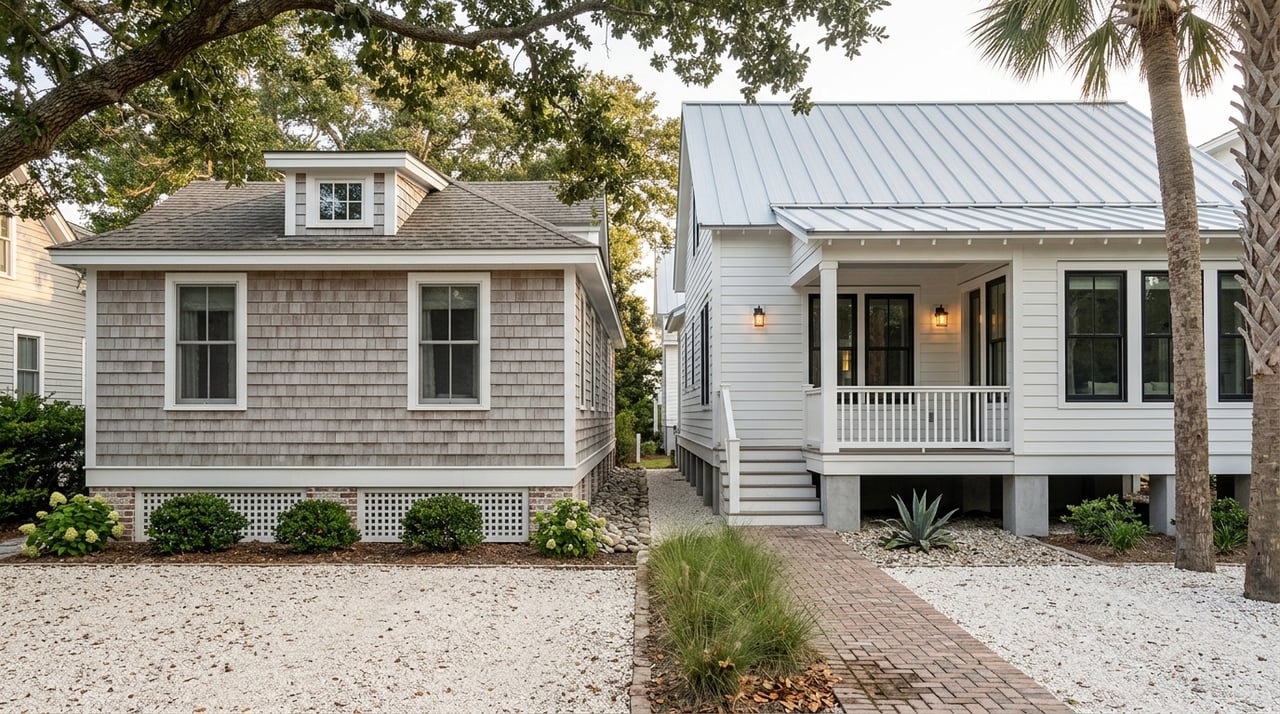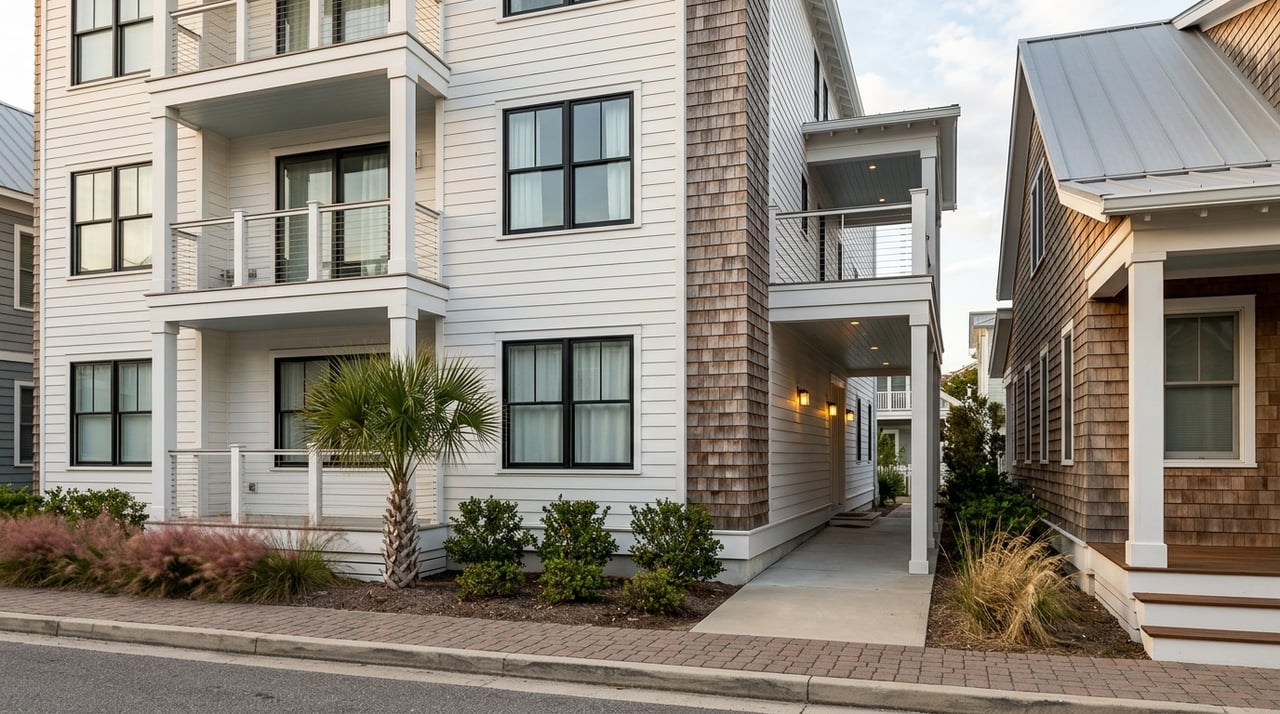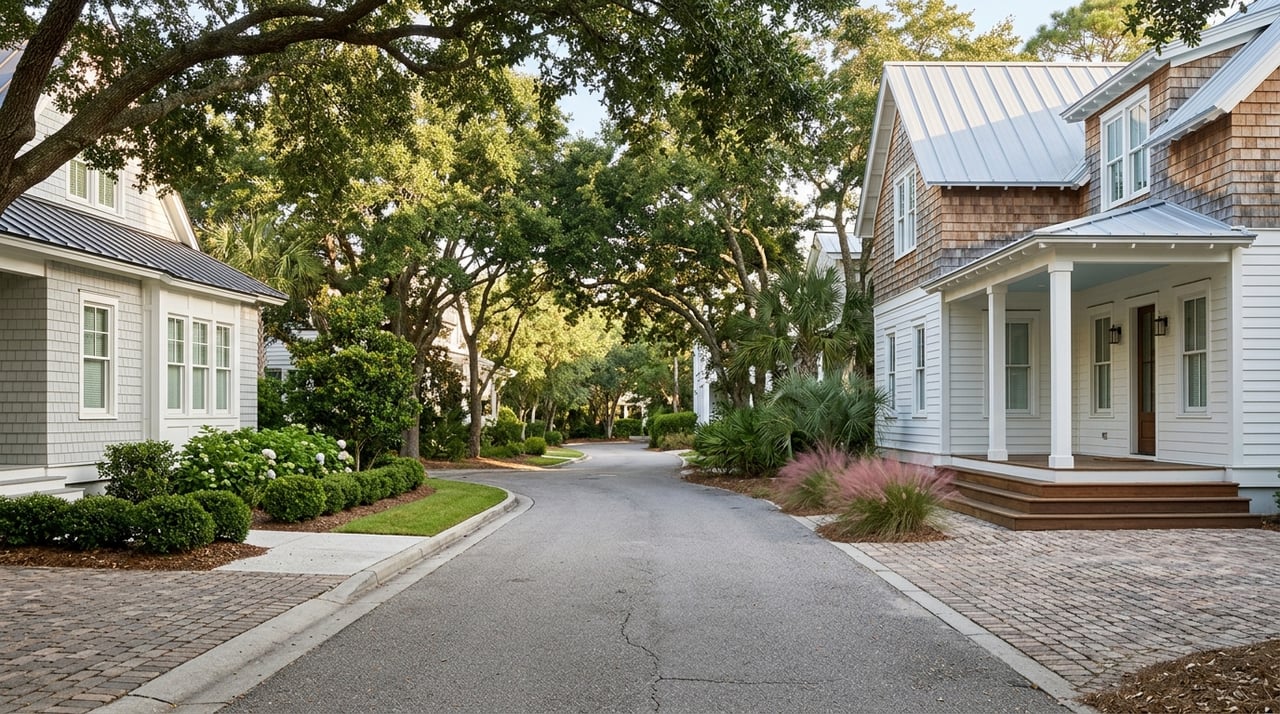
Wondering whether your current home still fits the way you live now? If you own a luxury property in Wilmington, downsizing is often less about giving something up and more about gaining flexibility, simplifying upkeep, and putting your equity to work in a smarter way. With the right plan, you can move from a larger coastal home into a right-sized next chapter with more clarity and less stress. Let’s dive in.
Why downsizing makes sense in Wilmington
Downsizing is especially relevant in Wilmington and New Hanover County, where the share of residents age 65 and older is higher than the statewide average. According to U.S. Census QuickFacts for New Hanover County, 19.9% of county residents are 65 or older, and 18.2% of Wilmington residents fall in that age group.
That matters because many homeowners are rethinking what they want from their property. You may still love the location, the memories, and the character of your home, but not the maintenance schedule, carrying costs, or unused square footage.
In a luxury market, downsizing can also unlock meaningful equity. While Wilmington’s broader market has recently tracked around the low-to-mid $400,000s, higher-end areas remain far above that range. Cape Fear REALTORS® reported a $400,000 median sales price in the Wilmington MSA in April 2025, while research notes show typical values around $1.25 million in Landfall and $1.65 million in Wrightsville Beach.
Start with your real goal
Before you think about timing, pricing, or where to move next, define what downsizing means for you. Some homeowners want less exterior maintenance. Others want a single-level layout, easier lock-and-leave living, or a home closer to the places they use most.
A successful move is usually a lifestyle decision first and a real estate decision second. When you get clear on your priorities, it becomes much easier to compare options and avoid buying a smaller home that still does not solve the problem.
Common downsizing goals
- Reduce maintenance and repair responsibilities
- Lower property taxes, insurance, and monthly carrying costs
- Trade excess square footage for a more efficient layout
- Improve ease of access with single-level living or elevator access
- Move closer to downtown Wilmington, the beach, or preferred amenities
- Simplify travel with a more secure, lock-and-leave property
Understand today’s market pace
Wilmington’s market is more balanced than it was at the peak of the frenzy. That creates opportunity, but it also means thoughtful planning matters more than ever.
According to the latest Cape Fear REALTORS® housing data, the Wilmington MSA had 3.66 months of inventory and 70 average cumulative days on market in April 2025. For luxury sellers, that supports a simple strategy: plan ahead, prepare carefully, and price with discipline.
If your home is in a high-value coastal area, buyer demand may still be strong, but presentation and positioning remain critical. In a measured market, polished marketing, accurate pricing, and patient negotiation can make a meaningful difference in your final result.
Calculate net proceeds, not just sale price
One of the biggest mistakes luxury homeowners make is focusing on the headline sale number without building a true net proceeds estimate. A high sale price does not always translate into the same amount of cash available after closing.
Your working estimate should include every major cost tied to the move. This gives you a more realistic picture of what you can comfortably spend on your next home and what you want to keep in reserve.
What to include in your net proceeds plan
- Mortgage payoff, if any
- Broker commissions
- Seller closing costs
- Pre-listing repairs or updates
- Staging and professional preparation
- Moving expenses and storage
- Temporary housing, if your timing does not line up perfectly
- Insurance, taxes, HOA dues, and maintenance costs for the next home
Property taxes deserve special attention. For fiscal year 2025 to 2026, New Hanover County lists a county tax rate of 30.6 cents per $100 of assessed value, and Wilmington lists a city rate that brings the combined city-plus-county rate to 58.85 cents per $100 inside city limits before any special district charges or exemptions. On a $1 million assessed property, that equals about $5,885 per year combined.
Review your assessed value before listing
If you have not looked at your tax record recently, now is a good time. New Hanover County’s current revaluation took effect on January 1, 2025, and the county states that assessed value is set at 100% of estimated market value until the next revaluation on January 1, 2029.
That means your tax exposure may have changed even if you have not made major improvements. The City of Wilmington budget update notes that the median residential home value increased from $238,300 to $364,408 after the countywide revaluation.
Before listing, review your county property record and compare it with local sales data. New Hanover County offers a helpful comparable sales search tool that can help you evaluate your current assessment and resale range.
When an appeal may be worth discussing
If your property record looks inaccurate or your assessed value appears out of step with comparable sales, it may be worth raising the question with your tax advisor and real estate professional. According to New Hanover County’s appeal guidance, the 2026 appeal deadline is May 14, 2026 at 5:00 p.m., and evidence should include comparable sales or appraisals dated before January 1, 2025.
An appeal only addresses assessed value, not your tax rate or tax bill. Even so, it can be an important part of your planning if you are evaluating whether to list, hold, or reposition your home.
Ask the right tax questions early
Downsizing often raises tax questions that are easier to manage before you sell than after. That does not mean you need to become a tax expert, but you should know which conversations to have with your CPA or tax advisor.
For many primary homeowners, the federal home-sale exclusion may shelter a substantial portion of the gain. The IRS explains that eligible sellers may exclude up to $250,000 of gain if single or up to $500,000 if married filing jointly, provided ownership and use tests are met.
If part of your gain is still taxable, state taxes may also matter. The North Carolina Department of Revenue notes that the individual income tax rate for tax years after 2025 is 3.99%.
Property-tax relief programs to review
Some homeowners may also qualify for North Carolina property-tax relief programs on their primary residence. These programs are income- and eligibility-based, so they should be reviewed carefully with the county and your advisor.
According to the 2026 North Carolina property tax relief application materials:
- The elderly or disabled homestead exclusion excludes the greater of the first $25,000 or 50% of appraised value for qualifying owners
- For 2026, the prior-year income limit for that program is $38,800
- The circuit breaker program caps taxes at 4% of income for owners at or below that limit, or 5% for owners above the limit but not more than $58,200
- The disabled veteran exclusion can exclude up to the first $45,000 of appraised value
- Applications must be filed with the county tax assessor by June 1
Choose a home that fits your next chapter
The best downsizing move is not always the cheapest option. It is the one that best supports how you want to live day to day.
In Wilmington, that may mean a condo with lower exterior maintenance, a townhome with a more manageable footprint, or a single-level home that keeps you close to the coast without the demands of a larger property. For some homeowners, it may also mean moving from a waterfront or beach setting to a location with easier access to city amenities.
What to compare beyond price
As you evaluate replacement homes, look beyond square footage and finishes. The ongoing cost and ease of ownership can matter just as much as the purchase price.
Focus on questions like these:
- How much exterior maintenance will you still handle?
- What are the HOA or condo association rules, fees, and reserves?
- Is there convenient parking and enough storage?
- Does the property offer single-level living or elevator access?
- What are the likely insurance requirements?
- How close are you to the amenities and routines you use most often?
Put flood risk into the conversation early
In coastal Wilmington, flood exposure should be part of your search from the very beginning. It is much easier to compare insurance and risk before you fall in love with a property than after.
FEMA explains that most homeowners insurance policies do not cover flood damage and that flood insurance is purchased separately. The same research also notes that more than 20% of flood claims come from outside high-risk zones, which is an important reminder for buyers considering waterfront, beach, or low-lying properties.
This does not mean you should avoid coastal ownership. It means you should evaluate elevation, drainage, flood history, and total insurance costs as part of your decision, especially if you are trading one type of maintenance burden for another.
Decide whether to sell first or buy first
This is one of the most common downsizing questions, and the right answer depends on your finances, timeline, and comfort with risk. In a more measured market, each path has tradeoffs.
Selling first can give you a clearer picture of your available equity and may reduce financial pressure. Buying first can make the move feel more seamless, but it may require greater liquidity and a stronger tolerance for overlap in carrying costs.
A practical way to choose
Selling first may make more sense if:
- You want certainty around net proceeds
- You prefer not to carry two properties at once
- You are open to short-term housing if needed
Buying first may make more sense if:
- You need a highly specific replacement property
- You have the flexibility to carry both homes for a period of time
- You want to avoid making a rushed purchase after your sale
Why strategy matters more in the luxury segment
Luxury downsizing is rarely a simple move from big house to small house. It often involves timing, privacy, preparation, tax questions, and a careful definition of what your next chapter should look like.
That is where a tailored approach matters. From valuation and pricing guidance to curated marketing and discreet transaction management, the process should feel organized, informed, and aligned with your long-term goals.
If you are considering a move, Sam Crittenden offers a private, high-touch approach tailored to Wilmington’s coastal luxury market. Whether you want to evaluate timing, estimate net proceeds, or identify the right next home, a confidential consultation can help you move forward with clarity.
FAQs
What does downsizing in Wilmington usually mean for luxury homeowners?
- For many Wilmington luxury homeowners, downsizing means moving into a home with less maintenance, a more efficient layout, and carrying costs that better match how you live today.
How should Wilmington homeowners estimate downsizing proceeds?
- Build a net proceeds estimate that includes mortgage payoff, commissions, closing costs, repairs, staging, moving expenses, storage, temporary housing, and the ongoing costs of your next home.
Should Wilmington homeowners review assessed value before selling?
- Yes. Reviewing your New Hanover County property record, assessed value, and comparable sales can help you plan more accurately before listing.
Are there North Carolina tax breaks for older homeowners downsizing in Wilmington?
- Possibly. North Carolina offers several property-tax relief programs for qualifying homeowners, including the elderly or disabled homestead exclusion, circuit breaker relief, and a disabled veteran exclusion.
Do Wilmington downsizers need to think about flood insurance?
- Yes. In the Wilmington area, flood risk and insurance should be reviewed early because most homeowners policies do not cover flood damage and some claims occur outside high-risk zones.
Is it better to sell first or buy first when downsizing in Wilmington?
- It depends on your finances, timing, and comfort level. Selling first can provide more certainty around equity, while buying first can offer more flexibility if you need a very specific replacement property.