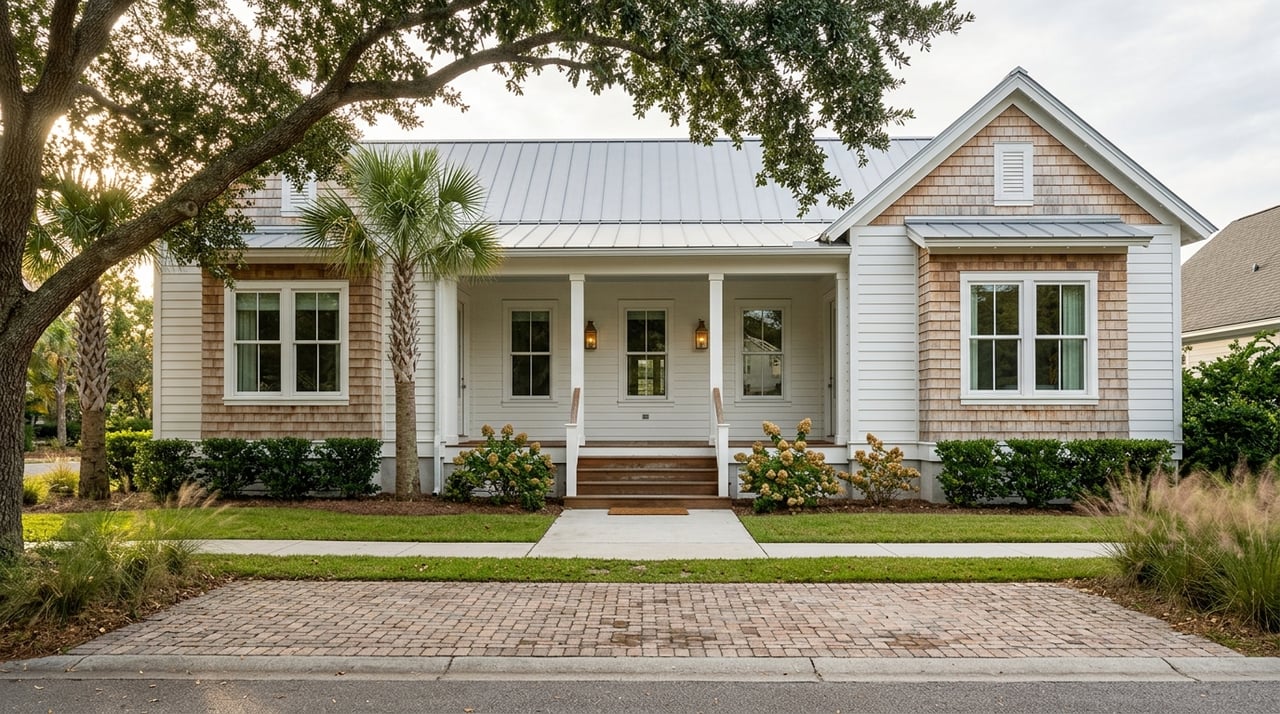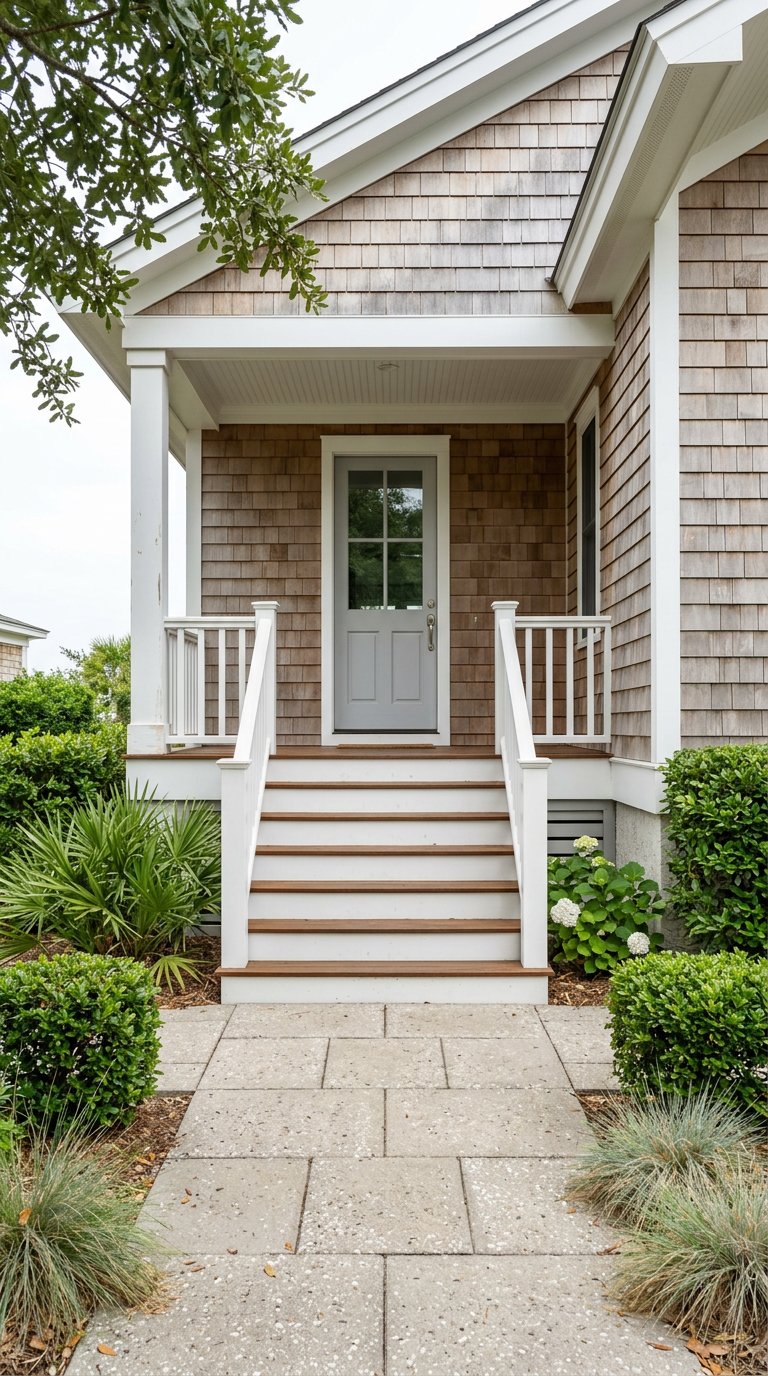
Thinking about buying on Figure Eight Island and using it as a vacation rental? You are not alone. The island’s privacy, low supply, and pristine shoreline create real appeal for lifestyle buyers. In this guide, you will learn how rentals work here, what rules and taxes shape returns, and how to underwrite risk and upside with confidence. Let’s dive in.
Figure Eight at a glance
Figure Eight Island is a private, gated barrier‑island community north of Wrightsville Beach. The HOA and Yacht Club structure preserve a quiet, low‑density setting with no public commercial strip on the island. That privacy and limited housing stock mean fewer competing rentals and a premium feel for guests and owners alike. Local reporting also highlights the area’s luxury profile and constrained inventory. You can see that context in this overview of recent coastal market trends around Wrightsville and Figure Eight in Wrightsville Beach Magazine’s 2023 roundup and the Figure “8” HOA site.
How vacation rentals work here
Booking model and guest rules
Most Figure Eight stays are built around weekly bookings in peak season, often Friday to Friday. The island’s HOA and established rental operators emphasize a family‑group guest profile, minimum age for the booking party, and a clear no weddings or large events policy. Occupancy is tied to septic capacity, which sets a hard limit on headcount per home. These policies narrow the guest pool, but they support higher average rates per booking and a smooth guest experience.
Access and logistics
Figure Eight is gated, and vehicle passes are controlled and issued to registered guests. Expect ID checks, planned arrivals, and limits on day visitors. The upside is privacy and order; the tradeoff is a bit more pre‑arrival coordination with your manager and guests.
Regulations and taxes you must plan for
Short‑term rental framework in North Carolina
A North Carolina Court of Appeals decision limited broad municipal registration schemes for short‑term rentals. That case, Schroeder v. City of Wilmington, means you typically will not face a citywide registration license as a precondition to rent. Zoning, building, health, parking, noise, and septic rules still apply, so you should verify them for any property you consider.
Sales and occupancy taxes
Short‑term rental income is subject to North Carolina sales and use tax, and New Hanover County’s Room Occupancy Tax. The county explains filing and remittance for operators on its Short‑Term Rentals page. County budget documents also show that a portion of occupancy tax revenue supports tourism and beach nourishment, which benefits coastal communities, including barrier islands. Review the role of these funds in the FY 2025 Adopted Budget.
Coastal management, insurance, and long‑term costs
Beach nourishment and HOA assessments
Coastal shoreline management is a long‑horizon reality for Figure Eight. The HOA has worked with the U.S. Army Corps of Engineers on shoreline protection planning and permitting. You can review the public notices for the island’s Shoreline Management Project on the USACE Wilmington District site here. Courts have upheld HOA authority to levy assessments for community projects when covenants allow it, as shown in Parker v. Figure “8” Beach Homeowners’ Association. As an investor, plan for the possibility of periodic special assessments tied to dredging or nourishment work.
Flood zones and insurance
Expect coastal flood zones and higher insurance costs. Most ocean‑adjacent properties will require robust wind coverage and NFIP or private flood insurance. Before you buy, pull a current FEMA flood determination for the parcel using the FEMA Flood Map Service Center and request updated quotes for wind, flood, and umbrella liability coverage.
Income potential and seasonality
What Wilmington data suggests
Public dashboards for the broader Wilmington area show clear seasonality with stronger summer occupancy. Median occupancy and nightly rates vary by home type, location, and quality, and top quartile listings often outperform the median. Treat these citywide numbers as directional only and tailor assumptions to a Figure Eight home’s weekly, family‑group model. For context, review the Wilmington market proxy data on Airbtics.
Yield profile and what drives outperformance
Figure Eight homes trade at luxury price points, so you should expect lower cap rates than mass‑market beach rentals. Returns are driven by a mix of lifestyle value and select income. Three levers tend to move the needle: true oceanfront or direct‑access lots, high‑end finishes and guest amenities that photograph well, and professional, white‑glove management aligned with the island’s guest rules. Conservative underwriting that includes owner‑use weeks is wise.
Operating costs to include in your model
Build a complete pro forma that reflects how rentals work here. Key line items to include:
- Professional management fees suitable for luxury homes.
- Cleaning and turnover labor, plus linen service.
- HOA dues and a reserve for potential special assessments.
- Property taxes and all state and county lodging taxes.
- Wind, flood, and umbrella insurance premiums.
- Utilities sized for larger homes and hot summer months.
- Routine maintenance, landscaping, and periodic exterior work.
- A hurricane and capital reserve for storm repairs or upgrades.
- Marketing, photography, and light concierge costs if not covered by management.
Due diligence checklist before you buy
Use this checklist to verify claims and protect your downside before closing:
- HOA Declaration and CCRs, plus recent amendments. Confirm rental provisions, guest restrictions, vehicle pass rules, and any proposed changes. Start with the Figure “8” HOA site.
- HOA board minutes and 3 to 5 years of budgets. Look for shoreline projects, beach nourishment, and any planned or historical special assessments. Cross‑check with the island’s USACE public notices.
- Recorded plat, septic permits, and bedroom count. Septic capacity drives lawful occupancy, which shapes income potential and guest safety.
- Verified rental ledger for the subject property. Seek 12 to 36 months of nights sold, ADR, fees, and net distributions. Make offers conditional on data when possible.
- Current insurance quotes for wind, flood, and umbrella liability, plus any elevation certificates. Pull flood zone data from FEMA.
- Yacht Club and HOA membership terms, if applicable. Confirm what conveys, guest access rules, and any transfer or initiation fees.
- Written confirmation of who collects and remits state and county lodging taxes. Review procedures against county guidance on short‑term rental taxes.
- Any active shoreline or environmental permits that could affect future assessments or timing of dune work. Reference the USACE project page.
How a local advisor helps you underwrite
Figure Eight is not a volume, nightly rental market. It is a scarce, luxury island where privacy, property quality, and strong management matter more than raw occupancy. A local, data‑minded advisor can help you secure historical rental ledgers, verify HOA and shoreline details, and price your offer around both upside and risk. With curated marketing, global reach, and deep local ties, you can also position your home for premium bookings when you are not using it.
If you are weighing a purchase or want a second opinion on pro formas and risk, let’s talk. Schedule a Private Consultation with Sam Crittenden to align the right property, numbers, and strategy for your goals.
FAQs
What makes Figure Eight Island different for vacation rentals?
- It is a private, gated island with limited supply, weekly family‑group stays, and stricter guest controls than open, event‑friendly beaches, which supports higher booking values but fewer available nights.
Are short‑term rental permits required in New Hanover County?
- A North Carolina appellate decision limited broad municipal registration schemes, but zoning, building, health, parking, noise, and septic rules still apply, so you should verify property‑specific requirements.
How are beach nourishment costs passed to owners on Figure Eight?
- The HOA can levy assessments for community projects when covenants allow it, and courts have upheld that authority, so you should review CCRs, budgets, and minutes for any planned obligations.
What taxes apply to Figure Eight vacation rental income?
- You must budget for North Carolina sales and use tax and New Hanover County’s Room Occupancy Tax, and you should confirm who remits them, the owner or manager.
How should I model occupancy for a Figure Eight rental?
- Use Wilmington market dashboards as a proxy for seasonality, but underwrite weekly summer bookings, owner‑use weeks, and a smaller pool of qualified family‑group guests.
What insurance do I need for a coastal rental on Figure Eight?
- Plan for wind and flood coverage, often through NFIP plus private carriers, and consider umbrella liability; verify exact needs with quotes based on the FEMA flood zone and elevation.