Buying near the coast is rarely just about style. In Wilmington and the surrounding coastal corridor, the bigger question is how a home will perform over time when you factor in flood risk, stormwater, insurance, maintenance, and local permitting. If you are weighing new construction against a renovated cottage, this guide will help you compare both paths with more clarity and confidence. Let’s dive in.
What Really Separates These Homes
In coastal Wilmington, the choice is not simply between new and old. The more important difference is how each home handles coastal risk and long-term ownership.
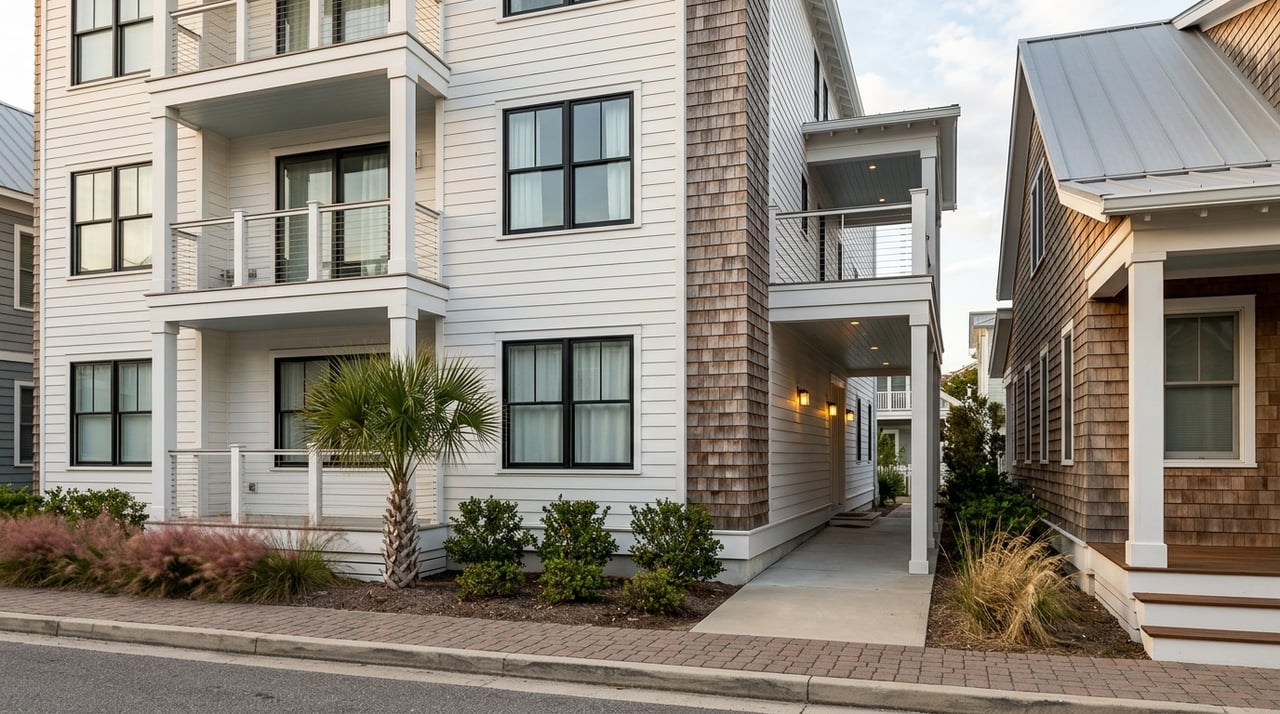
New construction often offers a cleaner starting point. You are more likely to see current code planning, newer systems, and a clearer permit history from the beginning. For many buyers, that can mean fewer immediate repair items and a more predictable first few years of ownership.
A renovated cottage can offer something very different. You may get architectural character, a more established setting, and strong appeal for personal use or guest stays. The tradeoff is that prior renovations may vary in quality, and older homes can bring more uncertainty around deferred maintenance, flood compliance, and documentation.
Why Coastal Risk Matters More Than Age
In this market, flood zone, elevation, stormwater, and jurisdiction often matter more than the home’s age. A charming cottage in a higher-risk setting may require more planning than a well-sited newer home, while a thoughtfully designed cottage with solid documentation may compare very well.
North Carolina’s Department of Environmental Quality describes coastal resilience as the ability to withstand major events and long-term stressors like coastal storm surge and sea-level rise. Wilmington is also participating in the Resilient Coastal Communities Program to study growing risks from storms, flooding, and other coastal hazards.
That is why your decision should go beyond finishes and floor plans. You want to understand how easy the property will be to insure, maintain, elevate if needed, and hold for the long term.
New Construction: Where It Often Wins
Cleaner Planning From Day One
One of the strongest advantages of new construction is that the home can be planned around present-day site conditions from the start. In a coastal setting, that includes drainage, elevation, foundation design, and how the structure responds to flood and stormwater constraints.
In Wilmington, building permits are required for construction, alterations, remodeling, demolition, expansions, accessory structures, and new construction. The city’s Land Development Code also serves as the framework for development and land use, with stated goals that include managing stormwater and encouraging infill development.
For buyers, that often means a newer home may come with a more straightforward paper trail. When documentation is clear, it can make due diligence easier and reduce surprises during ownership.
Potentially Lower Near-Term Repairs
A newer home may also reduce the size of your near-term repair reserve. In practical terms, you are less likely to be replacing older roofs, windows, or major mechanical systems right away.
That does not mean maintenance disappears. NC State Extension recommends setting aside 1 to 3 percent of a home’s market value each year for maintenance and repairs. Still, with new construction, the first stretch of ownership may feel more predictable than with an older coastal property.
Better Fit for Buyers Wanting Turnkey Ownership
If you want a home that feels more move-in ready, new construction may align well with your goals. That can be especially appealing if you are buying a second home, planning part-time use, or simply want fewer immediate projects after closing.
For investors, a newer property can also be attractive when the goal is easier holding costs and more streamlined upkeep. In a coastal market, that kind of predictability can matter as much as aesthetics.
Cottages: Where They Often Shine
Character, Setting, and Guest Appeal
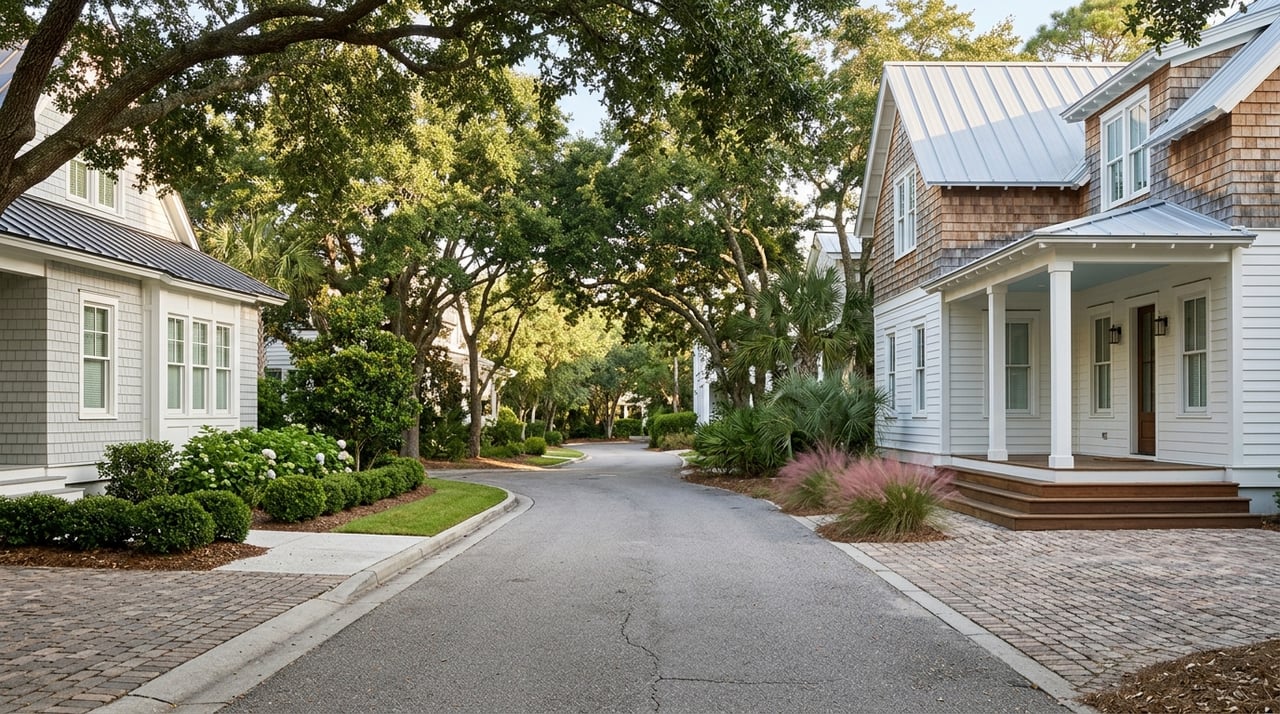
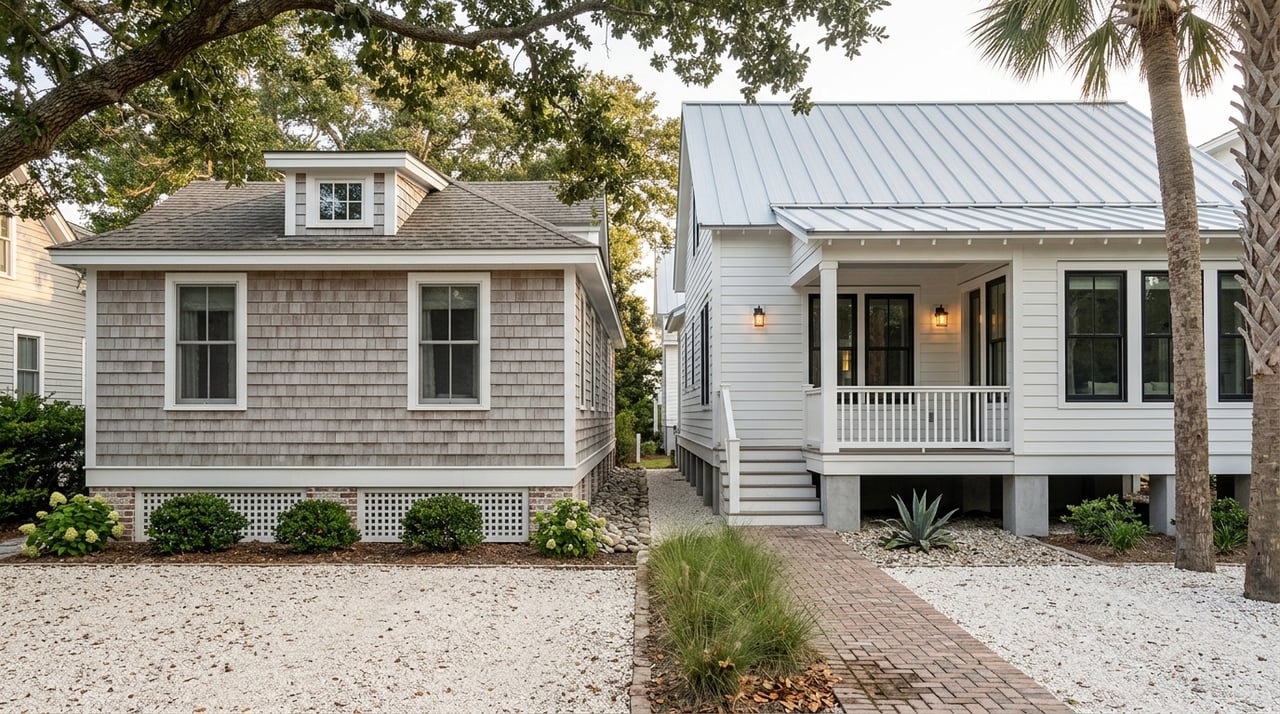
Renovated cottages continue to hold strong appeal across the coastal Wilmington market, especially in areas where the setting and architectural feel are part of the lifestyle draw. Buyers are often drawn to their warmth, scale, and connection to established beach communities.
Wrightsville Beach is the clearest local example of the cottage side of the market. That appeal can translate well for second-home buyers and for owners who want a property with memorable guest appeal.
Distinctive Long-Term Market Appeal
A well-renovated cottage can compete very well when the work is fully permitted, the flood and wind profile is acceptable, and the home’s layout fits local demand. In many cases, the strongest long-term performers are not necessarily the newest homes, but the homes that are easiest to hold and easiest to understand.
That includes homes with documented permits, manageable stormwater obligations, defensible elevation, and insurable risk. A cottage with those fundamentals in place can be a compelling ownership choice.
The Tradeoff: More Unknowns
The challenge is that a renovated cottage is not automatically low-risk. Older homes may have hidden issues in roofing, windows, drainage, foundations, or mechanical systems, and some prior renovations may not reflect the full scope of work needed under current flood standards.
That is why due diligence matters so much more with cottages. You are not just evaluating charm. You are evaluating the quality and completeness of what has already been done.
The Local Rules You Need to Check
Jurisdiction Comes First
One of the first questions to ask is which jurisdiction controls the property. That may be Wilmington, unincorporated New Hanover County, or Wrightsville Beach, and the answer affects how stormwater, floodplain oversight, and permitting are handled.
For example, New Hanover County requires a drainage plan for all development, and projects that create 10,000 square feet or more of new impervious surface need a county stormwater permit in unincorporated areas. The county also states that stormwater in Wilmington and the beach towns is not regulated by the county, so location matters.
Historic and Overlay Rules
Within Wilmington, work in local historic districts or overlay districts requires a Certificate of Appropriateness. If you are considering an older cottage, this is especially important because future exterior changes may involve more review.
That does not make the property less desirable. It simply means you should understand the local approval process before assuming a renovation or addition will be simple.
Floodplain Standards Matter
Floodplain compliance is one of the biggest points of separation between a cosmetic renovation and a truly durable coastal asset. New Hanover County states that new construction and substantial improvements to older construction must meet flood standards, including elevation and anchorage or foundation requirements that allow floodwaters to pass safely below the building.
This matters because a major cottage remodel can trigger much more than surface-level upgrades. If the work qualifies as a substantial improvement, the home may need to meet current flood-related standards.
Insurance Can Change the Math
Insurance is one of the most practical reasons this comparison deserves careful review. In North Carolina, standard homeowners policies do not cover flood damage. The North Carolina Department of Insurance also notes that some coastal policies may exclude windstorm and hail.
Flood insurance is the only way to protect against flood losses, and policies typically have a 30-day waiting period before becoming active. In some coastal areas, separate windstorm-and-hail coverage may also be needed.
North Carolina’s Coastal Property Insurance Pool, formerly the Beach Plan, offers homeowner windstorm-and-hail coverage in beach and coastal territories when an admitted carrier has excluded windstorm. That can be an important detail when comparing total ownership costs between two homes that look similar on the surface.
New Hanover County also participates in FEMA’s Community Rating System, which the county says can provide discounted NFIP flood insurance premiums to county residents. Even so, insurance availability, deductibles, and exclusions should be reviewed early, not after you are emotionally committed to a property.
Maintenance Is a Bigger Factor With Cottages
All coastal homes need regular attention, but older cottages often require a larger near-term reserve. NC State Extension’s 1 to 3 percent annual maintenance benchmark is a useful starting point here.
In flood-prone settings, New Hanover County recommends keeping gutters and drains clear, considering elevation of HVAC, water heater, and electrical systems, and adding check valves or sump pumps where flooding is possible. Those are practical ownership issues that can affect both comfort and budget.
For many buyers, this is where new construction gains an edge. For others, a cottage still wins if the home’s character, location, and documented improvements justify the extra care.
If You Plan to Rent the Home
The rental conversation matters in this market because tourism remains a major economic force. In 2024, visitors spent nearly $1.14 billion in New Hanover County, tourism employment topped 7,003, and countywide room occupancy tax collections exceeded $25 million.
That demand can support both turnkey new construction and renovated cottages, especially when the home’s layout and location align with visitor expectations. Still, rental potential should be evaluated alongside compliance and carrying costs.
New Hanover County states that every operator furnishing a taxable accommodation, including short-term rentals, must charge room occupancy tax. The rate is 6% in New Hanover County, Wilmington, and Wrightsville Beach, and monthly reports are due by the 20th day after the reporting month.
For investors, the strongest long-term candidates are usually the homes that are easiest to insure, easiest to maintain, and easiest to document. A beautiful cottage may perform very well, but only if its renovation history and risk profile hold up under review.
Questions to Ask Before You Choose
Before you decide between new construction and a cottage, keep your due diligence focused on the issues that matter most in coastal Wilmington:
- Which jurisdiction controls the property: Wilmington, unincorporated New Hanover County, or Wrightsville Beach?
- Is the home in a Special Flood Hazard Area?
- Is there an elevation certificate available?
- Did any renovation count as a substantial improvement that could trigger current flood standards?
- What are the homeowner, flood, and wind-or-hail coverage requirements and deductibles?
- If you plan to rent the property, what occupancy tax rules and monthly reporting obligations apply?
These questions can tell you more about long-term fit than finishes alone.
Which Option Fits You Best?
If you value turnkey condition, a cleaner permit trail, and fewer immediate repair items, new construction may be the better fit. It often works well for buyers who want a home designed around current site constraints from the start.
If you value character, a more established coastal feel, and distinctive guest appeal, a renovated cottage may be worth the extra diligence. The key is making sure the renovation quality, flood compliance, insurance picture, and maintenance outlook all support the lifestyle you want.
In this market, the best purchase is usually not the newest home or the most charming one. It is the home that matches your priorities and stands up well to the realities of coastal ownership.
When you are comparing waterfront homes, renovated cottages, or turn-key coastal properties in Wilmington and the surrounding beach communities, a locally informed review can make all the difference. To discuss your options with a discreet, market-savvy advisor, connect with Sam Crittenden.
FAQs
What should you compare first when choosing between new construction and cottages in Wilmington?
- Start with flood zone, elevation, insurance needs, stormwater considerations, and jurisdiction before focusing on finishes or age.
Do renovated cottages in Wrightsville Beach always have higher risk?
- Not always, but Wrightsville Beach states that all properties within its corporate limits are in the floodplain, so flood compliance, permitting, and insurance deserve close review.
What permits matter for Wilmington cottage renovations?
- Wilmington requires permits for construction, alterations, remodeling, demolition, expansions, accessory structures, and new construction, and some properties may also require a Certificate of Appropriateness.
Does standard homeowners insurance cover flood damage in coastal North Carolina?
- No. The North Carolina Department of Insurance says standard homeowners policies do not cover flood damage.
What should rental property buyers know about occupancy tax in New Hanover County?
- Operators furnishing taxable accommodations, including short-term rentals, must charge a 6% room occupancy tax, and monthly reports are due by the 20th day after the reporting month.