A buyer comparing Figure Eight Island to Wrightsville Beach or Bald Head sees two numbers first: a median sale price that looks eye-watering and an HOA fee that looks almost reasonable for a private barrier island. Both numbers are honest. Neither is useful on its own. The market on Figure Eight is governed by a mechanism that does not appear on any listing sheet, and once you understand it, the price gaps between houses on the same street begin to read very differently.
On Figure Eight, the deed conveys the house. The covenants convey a shared position in a shoreline balance sheet that every owner, interior or oceanfront, is standing on together.
The Median Is Built On One Or Two Sales, And That Changes How You Read It
Any buyer running comps on Figure Eight quickly hits a data problem. In the February 2026 window, the island posted a median sale price near $5.9 million with roughly 207 days on market and a sale roughly 2.5 percent under list. That figure represents a single closed transaction. One house. Any median calculated from n=1 tells you what one seller and one buyer agreed to on one property, not what the market thinks a Figure Eight home is worth.
The broader Wilmington MSA context, as reported by Cape Fear REALTORS for early 2026, shows inventory plateauing at elevated levels with homes sitting on market for roughly three months and buyers moving deliberately. That is the tide the island sits inside. On the island itself, with roughly 475 privately owned single-family homes and no condos, duplexes, or hotels sharing the tax rolls, the sample size is small enough that a single ocean-side estate closing can swing the reported median by seven figures in either direction. When you see a Figure Eight median quoted, ask what the transaction count was for that window. If the answer is one or two, the number is a data point, not a trend.
The Assessment Line Every Buyer Should Read Before The Deed
Here is the mechanism the portals do not surface. The Figure "8" Beach Homeowners' Association manages security, private roads, common areas, and the shoreline. Annual dues, per recent listing disclosures, run in a range of roughly $6,700 to $8,900 depending on the parcel. That is the visible line. The consequential line is the assessment structure that sits behind it.
When the Association funds major shoreline projects, the historical practice, documented in a case study of the Association's own decision process, has been to allocate remaining project costs on a per-lot basis after direct charges to the most endangered parcels. Membership itself is a fixed annual amount for all property owners. In plain terms: an interior lot two rows off the ocean is exposed to the same shared-project math as a front-row oceanfront lot when the north end of the island needs work. The oceanfront owner takes the wind and salt; the interior owner takes a slice of the invoice.
That structure matters more now than it did a decade ago. In 2021, property owners voted down a proposed $7.5 million terminal groin at the north end, a decision confirmed by Southern Environmental Law Center reporting at the time. The permit application had been pending with the Army Corps of Engineers Wilmington District, whose Supplemental Environmental Impact Statement on the Figure Eight Island Shoreline Management Project remains part of the public record. Rejecting the groin did not end the shoreline problem. It committed the island to the softer, recurring toolkit: sandbag walls, periodic dredging near Rich Inlet and Mason Inlet, and beach nourishment. Those tools are smaller checks written more often, funded through the same equal-share logic, and they are the reason a Figure Eight buyer should ask the Association not only for the current budget but for a written history of special assessments and any pending project scoping.
What Actually Layers Onto The Purchase Price
The purchase price is one of four numbers a Figure Eight owner lives with. The chart most buyers build in their head is missing the bottom two rows.
| Layer | What it funds | How it behaves |
|---|---|---|
| Annual HOA dues | Guardhouse, private roads, trash, common areas | ~$6,700–$8,900 range per listing disclosures, steady |
| Special assessments | Sandbag walls, dredging, nourishment, capital projects | Episodic, allocated on a largely per-lot basis |
| Coastal insurance | Wind, flood, homeowners | Rising; NC Rate Bureau settlement includes a further 7.5 percent homeowners increase effective June 1, 2026, with territory-specific adjustments in coastal New Hanover County |
| Yacht Club | Dining, pool, tennis, marina, family programming | Separate from HOA; some homes convey a membership warrant, others require initiation and board approval |
The middle two rows are the ones that catch second-home buyers off guard. Insurance is at least quotable in advance. Special assessments are not, and they are the line item most likely to differ from what a comparable house on Wrightsville Beach or Bald Head would carry.
The Club And The Bridge Are Separate Conversations
The Figure Eight Yacht Club, the marina, and the guarded swing bridge give the island its social and physical shape. They do not automatically follow the deed. Club access is a separate transaction from the HOA. Some properties convey a membership warrant that transfers with the sale; others require the new owner to apply, be approved, and pay initiation. Slip availability at the marina is handled on its own terms. Any buyer relying on club amenities or a boat slip as part of the value proposition should confirm those elements in writing before due diligence closes, not after.
The bridge is worth naming plainly. Figure Eight is reached by a single guarded causeway swing bridge, described in public records as the only private bridge over the Intracoastal Waterway in the American Southeast. That fact creates the scarcity buyers pay for. It also concentrates every future infrastructure decision, from bridge maintenance to inlet management, inside one small governance body funded by a small owner base.
Reading A Listing Through The Mechanism
Once the assessment structure is visible, comparisons on the island start to make sense.
An interior lot listed at a discount to an oceanfront neighbor is not simply "cheaper because it doesn't front the ocean." It is cheaper because the market is pricing view, direct beach access, and rental appeal, but not fully discounting the shared exposure to shoreline project costs. A buyer looking at that interior lot is buying a smaller share of the ocean view and roughly the same share of the next north-end project.
An oceanfront lot at the north end, closer to Rich Inlet, prices in erosion risk in a way that a mid-island oceanfront does not. The 2021 vote against the terminal groin means the island's answer to that risk is sandbags, dredging, and nourishment funded by everyone, not a single hardened structure funded by the exposed parcels. A buyer who prefers the concentrated risk of a fortified structure has, effectively, already been outvoted.
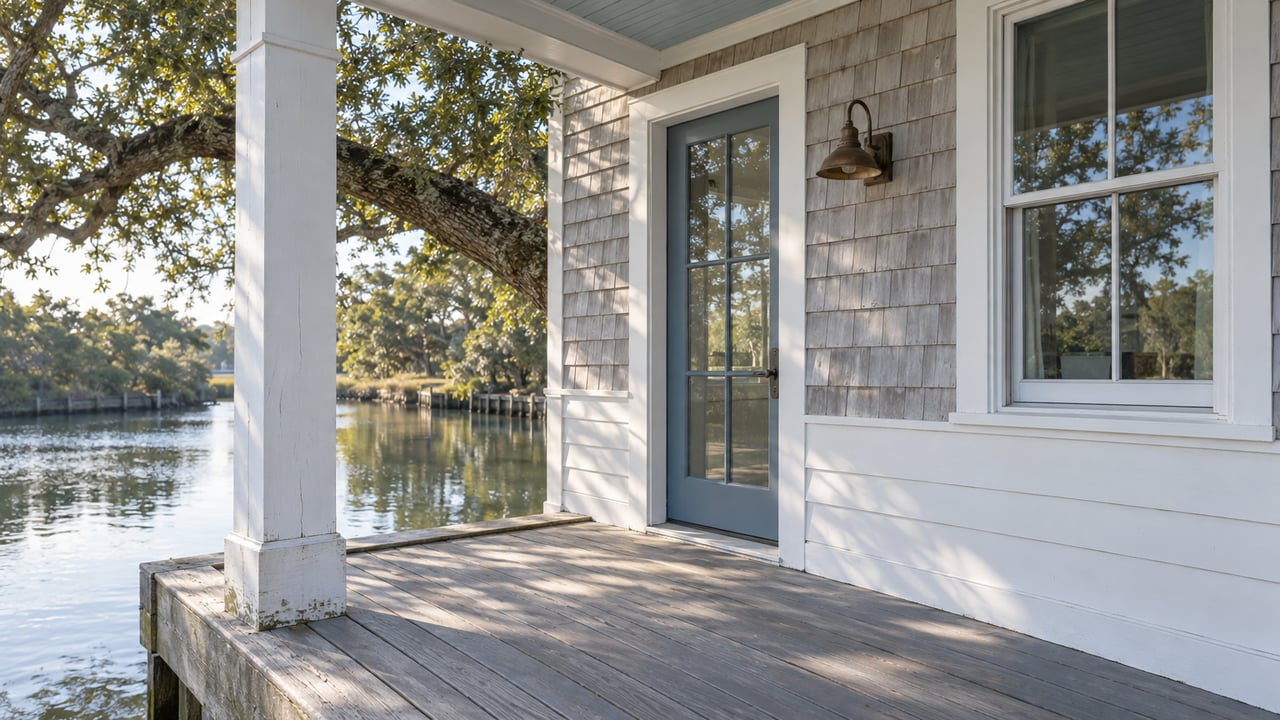
A soundside or marsh-front lot with a private pier reads differently again. State and federal dock permits, seasonal limits, and CAMA review sit on top of the HOA layer. The lot is quieter and more protected, but its long-term value tracks the same shared-shoreline math as any other parcel on the roll.
Questions To Bring Into Due Diligence
- The current HOA budget, reserve balances, and the written history of special assessments for the last ten years.
- Any pending or scoped shoreline projects, and the Association's current allocation methodology for those projects.
- The specific FEMA flood zone, base flood elevation, and an Elevation Certificate for the exact parcel.
- Whether a Yacht Club membership warrant conveys with the property, or whether membership requires application and initiation.
- Marina slip status, transfer terms, and any waitlist.
- Written confirmation of any private dock permits, seasonal restrictions, and easements affecting the parcel.
FAQ
Is the Figure Eight market weakening because a recent sale closed under list? Not on that data alone. A single February 2026 sale roughly 2.5 percent under list, with about 207 days on market, is one data point in a market where a full year may bring only a handful of transactions. Trend calls on Figure Eight require a rolling look at multiple years, not one closing.
Do interior lot owners really share the cost of oceanfront shoreline work? Historically, yes. The Association's documented practice on major projects has been to charge direct costs to endangered lots and then allocate the remaining project cost on a largely per-lot basis, with membership dues themselves set as a fixed annual amount for all owners. A buyer should confirm current methodology in writing with the Association before closing.
What changed after the 2021 terminal groin vote? Owners rejected the proposed $7.5 million structure at the north end. The island's shoreline strategy since has relied on sandbag walls, periodic dredging near Rich Inlet and Mason Inlet, and beach nourishment. Those tools are recurring and funded through assessments, which is why the assessment history matters more today than it would in a community with a single hardened solution in place.
If you are evaluating a Figure Eight Island purchase or preparing to bring a home to market there, a private conversation about the specific parcel, its assessment exposure, and its position in the current inventory is the right next step. Sam Crittenden works this island and the surrounding coastal corridor with the discretion the transaction warrants. Schedule a Private Consultation.