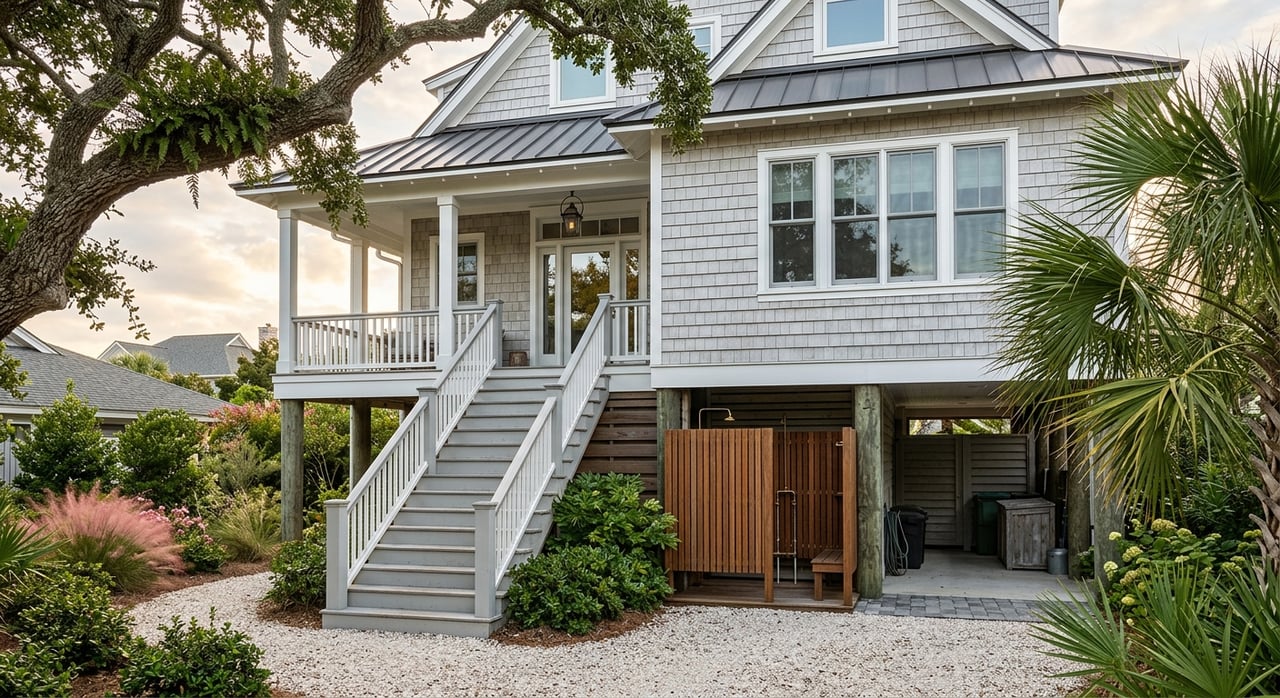
Buying a vacation home in Wrightsville Beach can feel like a dream come true, but the right purchase depends on more than a pretty view and a short walk to the sand. If you are weighing a second home, an investment property, or a place that does both, it helps to ask sharper questions before you make an offer. The answers can affect your lifestyle, your carrying costs, and how easy the home will be to use year-round. Let’s dive in.
Start With Daily Access
A vacation home should fit the way you actually plan to live in it. In Wrightsville Beach, that often starts with how easily you can reach the beach, the water, and parking during the busiest months.
The town has 44 designated public beach access locations, along with public restrooms at accesses 2, 4, 16, and 36, plus a restroom at Wrightsville Beach Park. There are also seven ADA-accessible ocean access points. If you expect frequent guests, ask how close the home is to the nearest access and whether that access supports the kind of day-to-day beach use you have in mind.
Ask About Beach Access
A short distance on a map can feel very different when you are carrying chairs, coolers, or gear. You should ask which access point is closest, whether it has nearby amenities, and how convenient it will be for both you and your guests.
This is especially important if you are comparing ocean-side and sound-side locations. The better question is not just, “How close is it?” but “How easy will it be to use all summer?”
Ask About Parking Rules
Parking is not a small detail in Wrightsville Beach. Paid parking is generally in effect daily from March 1 through October 31, and some streets and lots do not accept residential parking permits.
You should also ask whether the property has private parking, how many vehicles fit on-site, and what the overflow plan would be for guests. If you plan to bring a boat or trailer, note that truck-and-trailer parking is restricted on certain roads seasonally and, in some places, year-round.
Ask About Boating Logistics
If boating is part of your coastal lifestyle, go beyond asking whether the home is near a marina. Ask where you will launch, where you will dock, and where a trailer can be stored after launch.
Wrightsville Beach marinas offer docking and service centers, and trailer-parking rules can affect convenience. A home that looks ideal on paper may not work as smoothly if your boating plan depends on seasonal or limited public options.
Understand Flood Risk Early
In Wrightsville Beach, flood questions should come before cosmetic questions. The town states that the entirety of Wrightsville Beach is in a designated flood hazard area, also called a Special Flood Hazard Area.
That means you should ask about flood insurance, elevation, and permit history early in your search. These are core ownership issues, not edge-case concerns.
Ask for the Elevation Certificate
An elevation certificate can help with insurance questions and give you a clearer picture of the property’s flood profile. If one exists, request it early.
You should also confirm whether the current owner has flood insurance and what information is available about prior claims or flood-related improvements. Since flood insurance is separate from standard homeowners insurance and new coverage has a 30-day waiting period, timing matters.
Ask About Renovation Limits
Many buyers assume future improvements are straightforward. On Wrightsville Beach, that is not always the case.
Because all properties in town are in the floodplain, repairs and upgrades may be subject to state and local rules. The town notes that substantial improvements can trigger review under the 50% rule, so if you are planning a renovation, addition, or major update, ask the Planning & Inspections Department questions before closing.
Ask Whether CAMA Permits Apply
For coastal construction, permitting can involve more than a standard building permit. Single-family homes may require a minor CAMA permit, and the town notes that projects in Areas of Environmental Concern with more than 200 square feet of ground disturbance may need one.
If the property has a dune-adjacent location, shoreline elements, or a future site plan in mind, zoning and permitting questions should be part of your due diligence. This is one area where local verification is worth the effort.
Budget for Coastal Upkeep
A beach home ages differently than a mainland property. Salt spray and onshore winds can accelerate corrosion, especially on metal fasteners and connectors.
In practical terms, you should expect a closer eye on exterior systems and materials. That does not mean avoiding coastal ownership. It means buying with a realistic maintenance plan.
Ask What Has Been Updated
Focus on the items that tend to matter most in a coastal setting:
- Roof
- Windows and doors
- Decking and railings
- Fasteners and connectors
- HVAC equipment
- Drainage features
- Shoreline-related improvements
Ask when these items were last repaired or replaced and whether maintenance records are available. A home that has been thoughtfully maintained can offer a very different ownership experience than one that has deferred exterior work.
Plan for Storm Readiness
Hurricane preparedness is part of owning on a barrier island. Before you buy, ask how the property owner receives emergency updates and how re-entry works after severe weather.
The town uses CodeRED for hurricanes, flooding, bridge closures, road closures, and evacuations. It also uses vehicle tax decals as re-entry identification after mandatory evacuation, so this should be part of your planning if you expect to use the home regularly during storm season.
Ask About Re-Entry and Alerts
This is a simple question that often gets overlooked. Ask what systems you will need to sign up for, what local procedures apply after an evacuation, and what documents or decals are used for re-entry.
The more familiar you are with local storm procedures before closing, the more confident you will feel as an owner.
Clarify Rental Use Before You Count Income
If you may rent the property, even part of the year, ask detailed questions before you assume the numbers work. Rental use affects taxes, guest logistics, and local reporting requirements.
This matters whether you are buying a turnkey rental unit or simply hoping to offset ownership costs when you are not in town.
Ask How Personal Use Affects Taxes
If you rent a dwelling and also use it personally, expenses must be divided between rental and personal use. IRS rules state that a property is treated as a residence if personal use exceeds the greater of 14 days or 10% of the days it is rented at fair rental value.
Different treatment can also apply when a home is rented more than 300 days in a year. If you plan to split time between personal enjoyment and rental use, speak with a tax professional before closing so you understand how the home may be classified.
Ask Who Handles Occupancy Tax
In Wrightsville Beach, short-term rentals are subject to a 6% room occupancy tax. Taxable accommodations must report monthly sales by the 20th day after the reporting month.
You should ask who will handle registration, filing, and remittance if you use a property manager, and what your responsibilities will be if you rent the home directly. This is a practical ownership detail that should be clear from day one.
Ask About Guest Parking
Guest parking can shape the rental experience just as much as the home itself. Property owners can buy up to two residential parking permits, but tenants need owner authorization or a notarized property-manager letter to receive permits.
You should also confirm whether the nearby lots and streets accept residential permits, since some do not. Daily and weekly passes are available, but they can add cost and coordination for guests.
Review HOA and Condo Documents Carefully
If you are considering a condo or a home in a planned community, the governing documents deserve close attention. They can affect rentals, design changes, assessments, and how the property is used over time.
North Carolina guidance advises buyers to obtain and read bylaws and covenants carefully. That advice is especially important in a vacation-home market where ownership goals can vary widely.
Ask for These Documents
Before closing, request and review:
- Declaration
- Bylaws
- Covenants
- Budget
- Reserve or assessment history
- Rental restrictions
- Architectural standards
These documents can help you confirm whether the property fits your intended use. If any title issue, deed restriction, or rental limitation is unclear, a real estate attorney is a smart next call.
Verify Zoning Before You Buy
When a home is near the ocean, sound, canal, or marsh, assumptions can be expensive. If you are counting on a future improvement, a certain rental use, or a specific accessory feature, verify it first.
The Town of Wrightsville Beach Planning & Inspections Department handles zoning permits, building permits, code enforcement, flood questions, and CAMA minor permits. Buyers and appraisers can also request a zoning verification letter for a specific property.
Ask the Local Questions Early
Before you remove contingencies, consider confirming:
- Current zoning
- Flood-related restrictions
- Permit history
- Whether planned improvements may need local review
- Whether CAMA rules may apply
That extra step can protect your plans and reduce surprises later.
A Smart Vacation Home Purchase Starts With Better Questions
The best vacation homes in Wrightsville Beach offer more than a beautiful setting. They fit your lifestyle, support your long-term goals, and make ownership feel manageable rather than complicated.
When you ask the right questions about access, flood exposure, maintenance, rentals, and local rules, you buy with more clarity and confidence. If you want a discreet, locally informed perspective on Wrightsville Beach homes, Sam Crittenden can help you evaluate the details that matter before you move forward.
FAQs
What should you ask about beach access before buying a vacation home in Wrightsville Beach?
- Ask which public beach access is closest, whether it has nearby restrooms or other amenities, and how practical it will be for everyday use by you and your guests.
What parking questions matter most for a Wrightsville Beach vacation home?
- Ask how many vehicles can park on-site, whether residential permits apply to nearby streets or lots, and how guest or trailer parking will work during the paid parking season from March 1 through October 31.
What flood insurance questions should you ask before buying in Wrightsville Beach?
- Ask whether an elevation certificate is available, whether the property currently carries flood insurance, and how the home’s flood exposure may affect future insurance costs and timing.
What rental tax questions should you ask before buying a Wrightsville Beach vacation home?
- Ask how personal use and rental use may affect tax treatment, who will handle the 6% room occupancy tax, and what filing responsibilities apply if you rent the property directly.
What HOA documents should you review before buying a Wrightsville Beach condo or planned-community home?
- Ask for the declaration, bylaws, covenants, budget, reserve or assessment history, rental restrictions, and architectural standards so you can confirm the property fits your intended use.
What local office should you contact for zoning and permit questions in Wrightsville Beach?
- The Town of Wrightsville Beach Planning & Inspections Department is the main local office for zoning, building, flood, and CAMA-related questions, and it can help with property-specific verification.